Coalisland Camino – Our Way:
Having completed several Caminos across the Galician region of northern Spain, members of the Friends2Talk mental health group were inspired to bring the spirit of El Camino de Santiago closer to home.
Recognising the transformative impact such a pilgrimage can have on emotional and mental well-being, they envisioned creating a local Camino rooted in the landscape, culture, and history of Coalisland and its surrounding areas. With aid from The National Lottery Community Fund, Friends2Talk created the Coalisland Camino.
While the terrain of Mid-Ulster does not mirror the dramatic hills, valleys, and sweeping plains of Galicia, it offers its own distinct beauty, gentle lowlands, historic canals and rivers, and the vast, tranquil presence of Lough Neagh. In this rich natural and cultural setting, the Coalisland Camino was born.
Designed as a fairly level walking route with a few modest inclines towards the final kilometres, this path invites participants to journey not only through the physical landscape but also through centuries of Christian and local heritage.
The Coalisland Camino is not intended as a competitive event. There are no time targets, no prizes for speed, and no pressure to perform. Rather, it is a space for reflection, connection, and inner wellbeing.
Pilgrims are encouraged to move at their own pace, pausing wherever they find moments of serenity, spirituality, or emotional resonance. These pauses, whether at a quiet bend in the canal, a churchyard steeped in history, or a tranquil spot overlooking Lough Neagh, are as vital as the steps themselves.
The walk is designed to promote mental wellbeing, offering individuals time and space to explore their emotions, reflect on life, meditate, and reconnect with their inner self. It is a journey of self-discovery and healing, in the company of nature and community. Pilgrims are invited to embrace the communal spirit of the Camino by exchanging warm greetings with fellow travellers.
Whether it be “Camino Mhaith”, “Happy Camino”, or “Buen Camino”, these simple gestures reflect the camaraderie and shared intention that underpin the walk.
Above all, the Coalisland Camino encourages each person to be yourself, find yourself, and enjoy yourself. Go n-éirí an bóthar leat.
We are now affiliated with the Camino Society Ireland, and are part of the official ‘Celtic Camino’
What Is the Celtic Camino?
The Celtic Camino is a recognised pilgrimage route that allows walkers to earn a Compostela by combining a pilgrimage in Ireland with the Camino Inglés in Spain. The Cathedral of Santiago has agreed to award the Compostela to pilgrims who complete the 75 km Camino Inglés from A Coruña to Santiago, provided they have already walked a Camino Society Ireland–certified 25 km pilgrimage route in Ireland.
A Coruña has deep historical connections with Ireland and has been the main port of departure for Irish pilgrims travelling to Santiago since the 12th century. By using the Camino Society Ireland Credencial, or international equivalent, also known as the Pilgrim’s Passport, pilgrims gain access to the organised network of pilgrim accommodation across Spain, France, and Portugal.
To receive the Compostela, pilgrims must present their stamped credencial at the Pilgrim’s Office in Santiago as proof of their journey. The Compostela is the official certificate awarded to those who complete the final stages of the Camino to Santiago. Pilgrims are required to collect at least two stamps (sellos) per day, which can be obtained from churches, cafés, bars, hotels, shops, and tourist offices along the route.
Coalisland Camino Stamps for your Celtic Camino Passport can be found at the following locations:
Herrons Shop, Barrack Street, Coalisland, BT71 4LS is just beside the Camino start. – 📍 https://maps.app.goo.gl/huVDBWtghCyg6HF37?g_st=iw
McGirrs Bar, 11 The Square, Coalisland BT71 4LN – 📍 https://maps.app.goo.gl/uj1HVmsfyb86qnvU8?g_st=iw
Adaco Coffee – 6 The Square Coalisland BT71 7SG – 📍 https://maps.app.goo.gl/67VmgcK1n7124NQu6?g_st=iw
The Central Bar, 28 Main Street, Coalisland BT71 4NB – 📍 https://maps.app.goo.gl/aPHn1oKnKGFiPXjh9?g_st=ig
Mill Court Restaurant – 40 Main Street, Coalisland BT71 4NB – 📍 https://maps.app.goo.gl/9NrMh6HcevSzmGfq5?g_st=iw
Newell Stores, 11 Lineside, Coalisland, BT71 4LP, is 300m into your Camino, at the start of the Canal pathway. Toilet available. – 📍https://maps.app.goo.gl/yXdoYgrLQDDqUchw6?g_st=iw
Springisland Supermarket, 2 Washing Bay Rd, Coalisland, BT71 4ND is 350m into your Camino, opposite the start of the Canal pathway. Toilet available. – 📍 https://maps.app.goo.gl/3x3evpvSG3VM4EcH7
Four Corners- 1 Mullaghmoyle Road, Brackaville, Coalisland, BT71 4NL – 📍 https://maps.app.goo.gl/ewhZj9Hc4aWgEefaA?g_st=iw
STAMP BOXES ON CAMINO ROUTE – Please call in advance for box code: 0044 7871 800 551
St Patricks Hall, 6 Barrack St, Coalisland, Dungannon BT71 4LS -📍 https://maps.app.goo.gl/REcPrxvLzr9TMwVD8
Washingbay Sheds – 116 Derrylaughan Road, Coalisland BT71 4QS -📍 https://maps.app.goo.gl/FrZWoKbzwZKTx4G19?g_st=iw
The Washingbay Centre – 92 Ballybeg Road, Aughamullan, Coalisland, BT71 5DX -📍 https://maps.app.goo.gl/PhCigzWiucRZeNc78?g_st=iw
CF Tennyson Plant (Fuith na nGall) -📍 https://maps.google.com?q=54.5428774,-6.6539742&entry=gps&shh=CAE&lucs=,94297699,100808508,94284496,94231188,94280568,47071704,94218641,94282134,94286869&g_st=iw
Toilets at Washingbay Centre -📍 https://maps.app.goo.gl/uNfz3oiErq2uiZKX9?g_st=iw
The Coalisland Camino is set in a very rural location. Public Services are very limited. We suggest you ensure you have adequate supplies before departing.
Please remember that you should leave no trace – please do not discard any litter.
Receiving a Compostela for Walking 100km to A Coruña using the Coalisland Camino.
- Decide on the route in Ireland you plan to walk.
- It must be a minimum of 25km (Coalisland Camino is 26.4km).
- It should have a stamp/sello system in place to allow for verification – see our list of stamp/sello locations on our website.
- Acquire your official Camino de Santiago Pilgrims Passport/Credentials.
- Only official Camino de Santiago passports (issued by the Camino Society Ireland or international equivalent) accepted.
- More information on passports here.
- Complete your Celtic Camino stage. STAMP AT THE START AND FINISH, where available. This is a trust system!
- Bring your Pilgrims Passport to the Information Centre in Dublin for verification, and they will certify you have walked 25km with a Celtic Camino Compostela, or contact them via email info@caminosociety.ie
- There is no charge for the Compostela for pilgrims with a Camino Society Ireland passport. Pilgrims with other official passports will be asked to make a small donation to cover printing costs.
- Recommence your Pilgrimage in A Corúna. From there to Santiago, the normal rules apply if you wish to obtain a Compostela: get 2 sellos/stamps per day.
- In Santiago, you submit your Pilgrims Passport with your stamps for the A Corúna route, along with your Celtic Camino Compostela (or a copy), and you will be granted a Camino de Santiago Compostela.
- You can also request a Cathedral stamp for your Celtic Compostela in the Pilgrim’s Office. These arrangements have been approved by the Pilgrim Office in Santiago.
- Remember to bring the Celtic Camino Compostela (or a copy) with you to Spain!
The Coalisland Camino is not a race. There are no time limits, no rewards for speed, and no expectation to push beyond one’s comfort zone. Instead, it provides a supportive space for reflection, connection, and nurturing inner well-being. Whether it be “Camino Mhaith”, “Happy Camino”, or “Buen Camino”, these simple gestures reflect the camaraderie and shared intention that underpin the walk. Above all, the Coalisland Camino encourages each person to be yourself, find yourself, and enjoy yourself. Go n-éirí an bóthar leat.
The Route
MAP AND GUIDE
The Coalisland Camino is a 26.4-kilometre circular walking route that offers a unique opportunity to explore the cultural, historical, and environmental richness of Coalisland and its surrounding region in East Tyrone. Designed to be accessible for walkers of varying abilities, most of the trail, approximately the first 19 kilometres, consists of level terrain, with a series of gentle hills in the final 7-kilometre segment. The Camino begins and ends at the Community Hub, located at St. Patrick’s Hall, an institution that has served as a focal point for social and cultural activity in the town since its establishment in 1888. This venue has long embodied the communal spirit and resilience of Coalisland, hosting numerous events that celebrate local identity and shared heritage.
Departing from the Community Hub, the Camino follows the historic Coalisland Canal for approximately seven kilometres. This stretch offers an immersive experience of the region’s industrial and navigational history. The route then proceeds across Reenaderry Road at the High Bridge and transitions into the low-lying, scenic expanse of Derrytresk and Derryloughan. These areas are not only visually striking but also ecologically significant, containing vital habitats for the endangered Curlew, Irish Hare, and Native Irish Honeybee. The trail continues past Port Naomh, a site of spiritual and cultural importance, and moves toward the Maghery Ferry, an area with deep historical resonance in local memory.
As walkers follow the Ferry Road, they encounter the Holy River, a landmark embedded in local folklore. According to tradition, this river was blessed by St. Brigid, imbuing its waters with reputed healing qualities. A short distance beyond, the route arrives at the Washingbay Centre, where visitors may pause for refreshments and access the Holy River. From there, the trail ascends to Fuith na nGall on Cloghog Hill, providing panoramic views across Lough Neagh, Europe’s largest freshwater lake, and leading towards St. Patrick’s Roman Catholic Church in Clonoe.
Continuing through the rural landscape, the Camino intersects with several roads, including Mountjoy Road and Moor Road, following Lisnastrane Road to the Stewartstown Road, following the Mousetown Road to the Mullaghmoyle Road. At this junction, you will be looking across a valley and hill, behind which is the Crannóg on Roughan Lough (1.2km), and to your right, towards Stewartstown (3km), is the famous Creeve Lough Crannóg from where Hugh O’Neill departed on the epic Flight of the Earls in 1607, a pivotal moment in Irish history.
The final leg of the Camino leads to Patterson’s Corner, now home to the Four Corners Bar, before turning back towards Coalisland. En route, walkers obtain their penultimate stamp at St. Mary and St. Joseph’s Roman Catholic Church, a site that further enriches the spiritual narrative of the journey, before completing the Coalisland Camino at the Community Hub, St. Patrick’s Hall.
The Coalisland Camino is more than a physical path; it is an interpretive journey through time and place. Each landmark along the route contributes to a deeper understanding of the region’s layered identity, its environmental treasures, spiritual traditions, and historical milestones. For participants, the Coalisland Camino Passport and commemorative stamps serve as meaningful souvenirs, encapsulating the essence of a walk that is reflective, educational, and profoundly rooted in local heritage.
Experience our History
Points of Interest
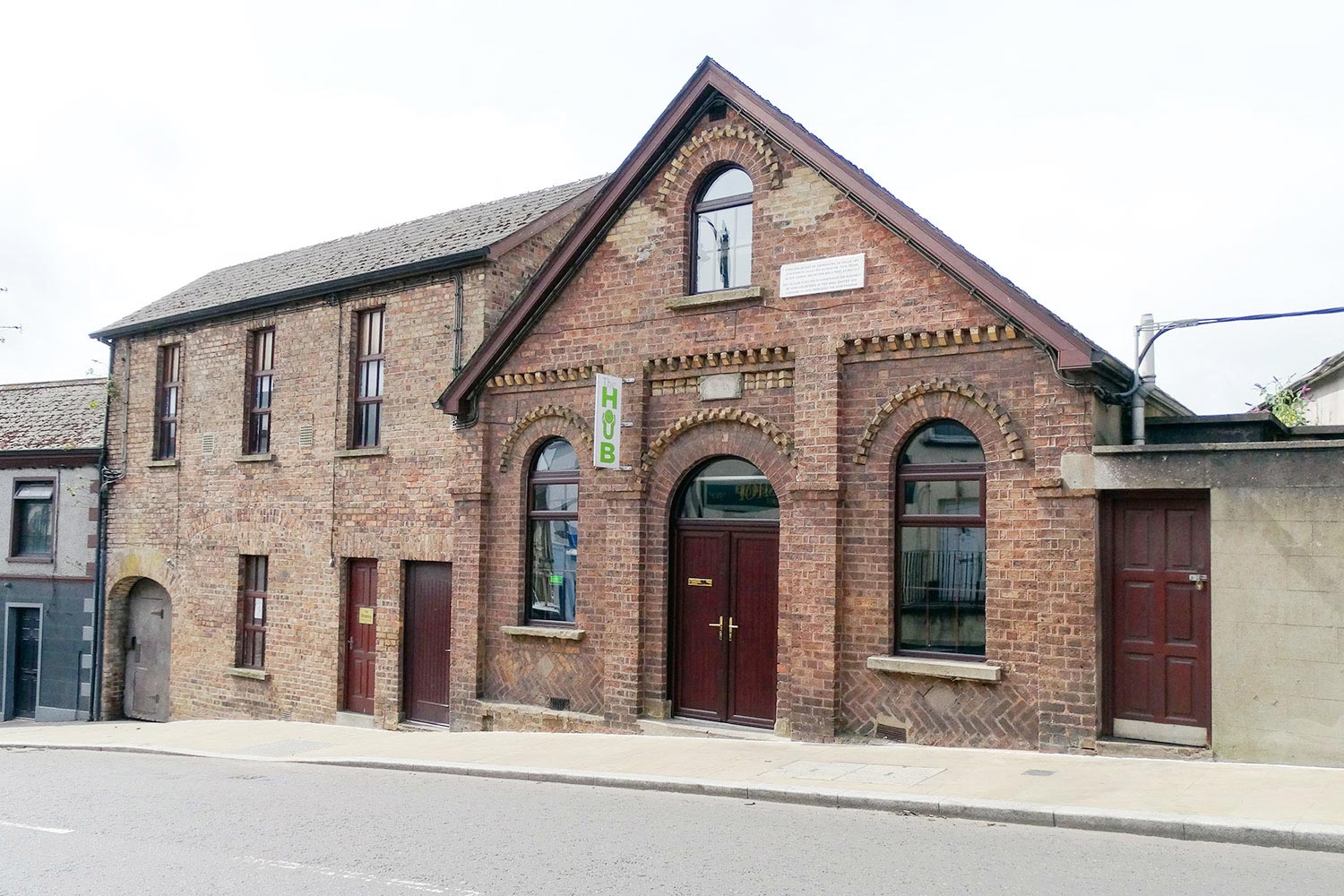
ST. PATRICK’S HALL

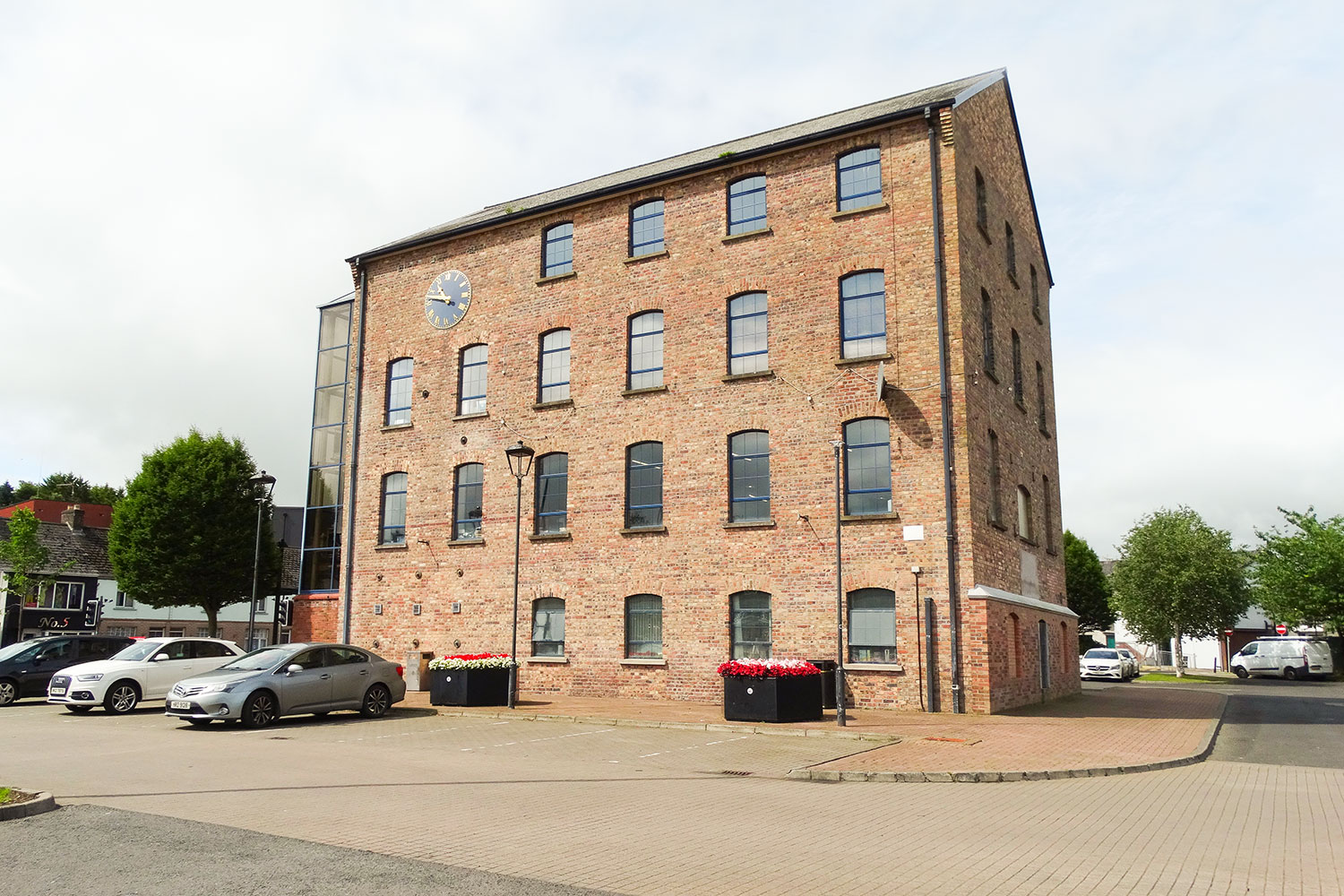
CORNMILL
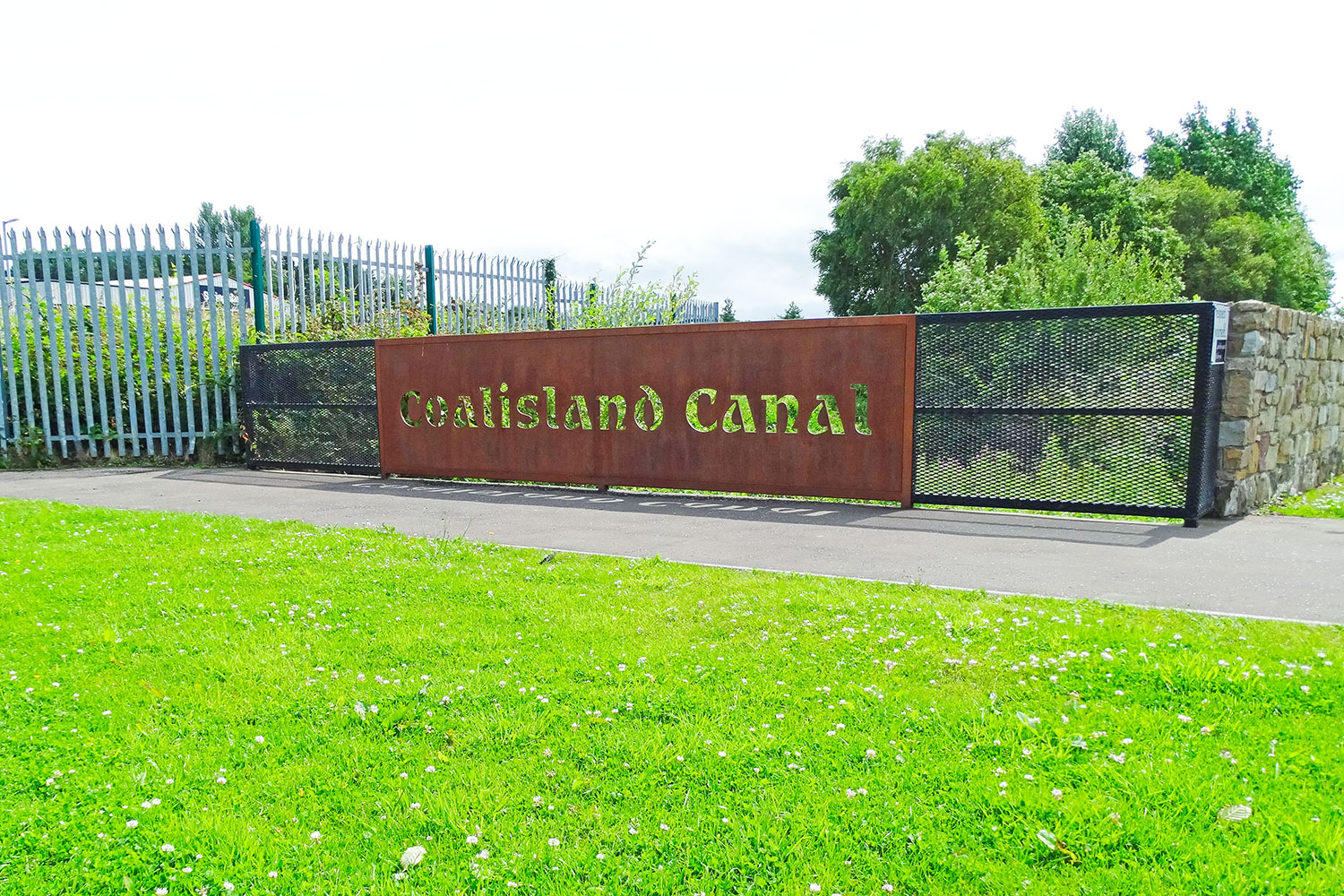
COALISLAND CANAL
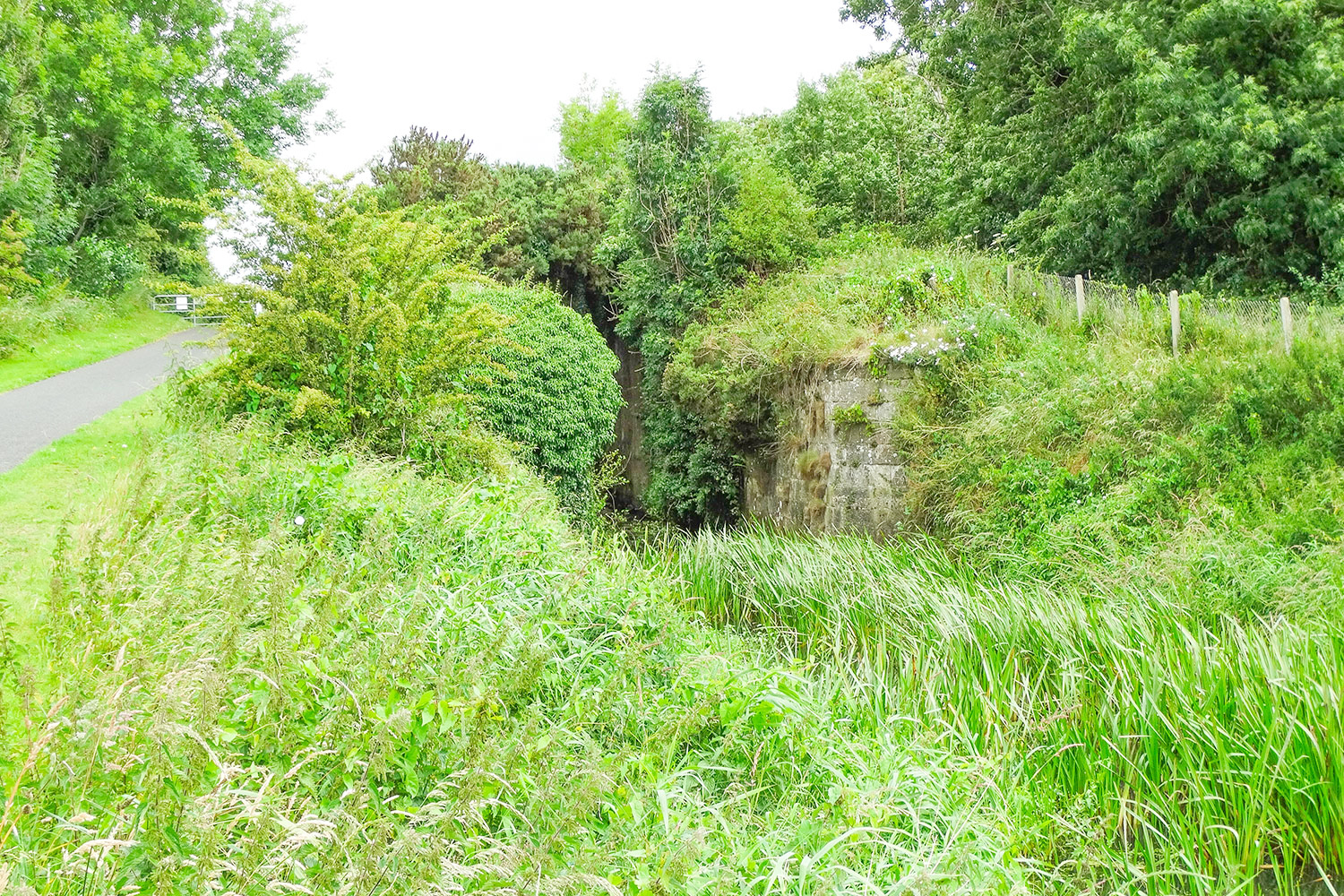
MAC’S LOCK
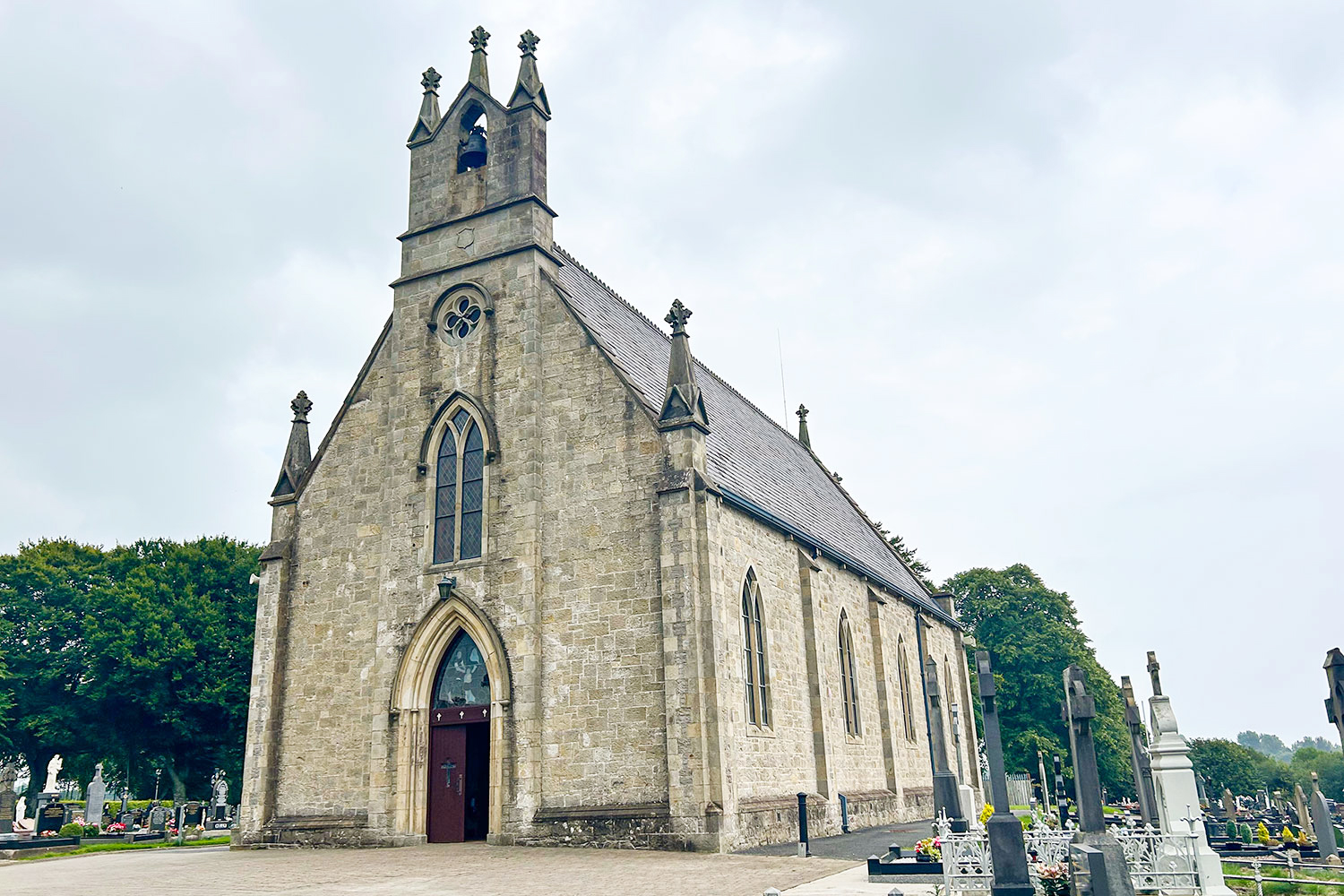
ST MARY & JOSEPH RC
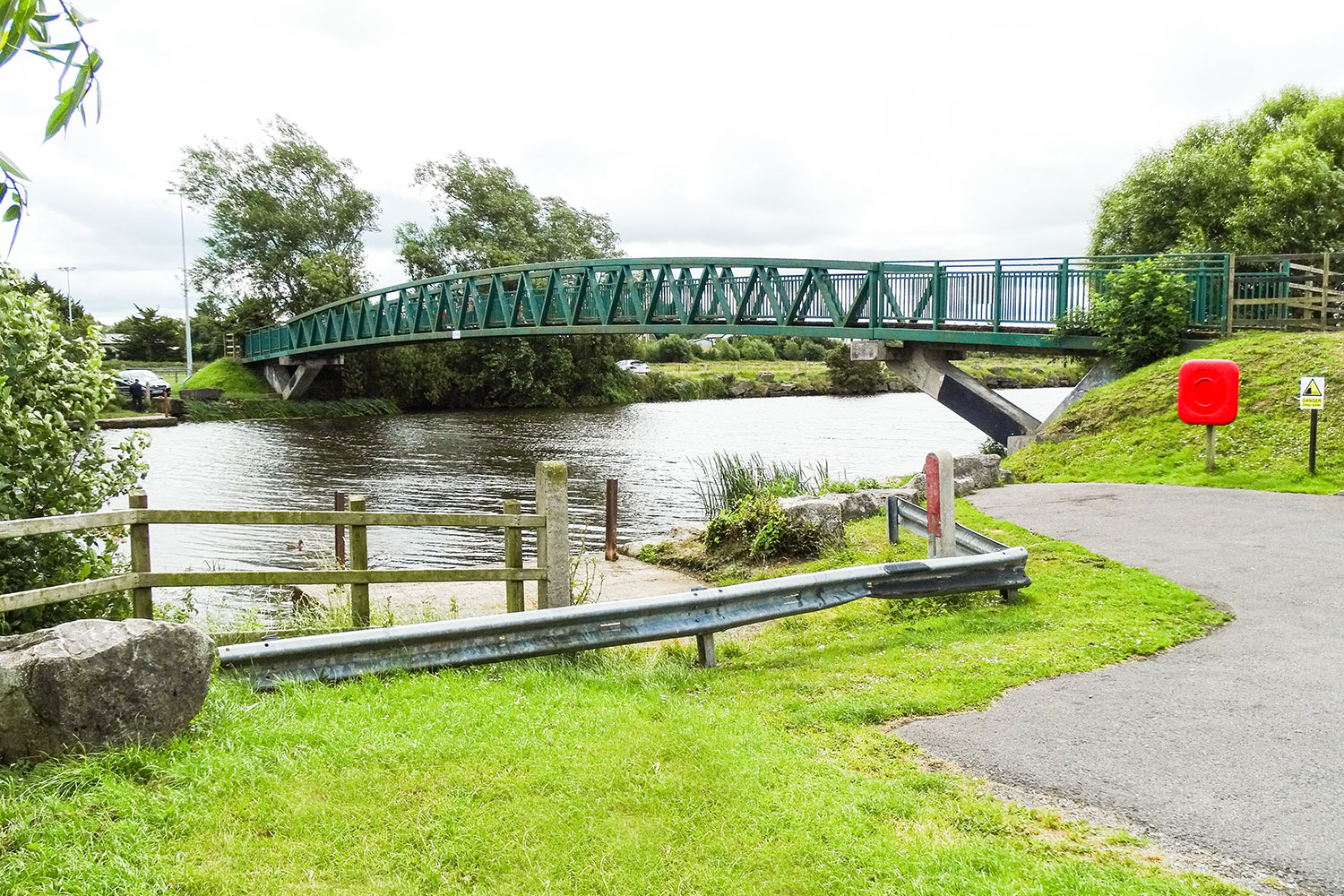
FERRY BRIDGE
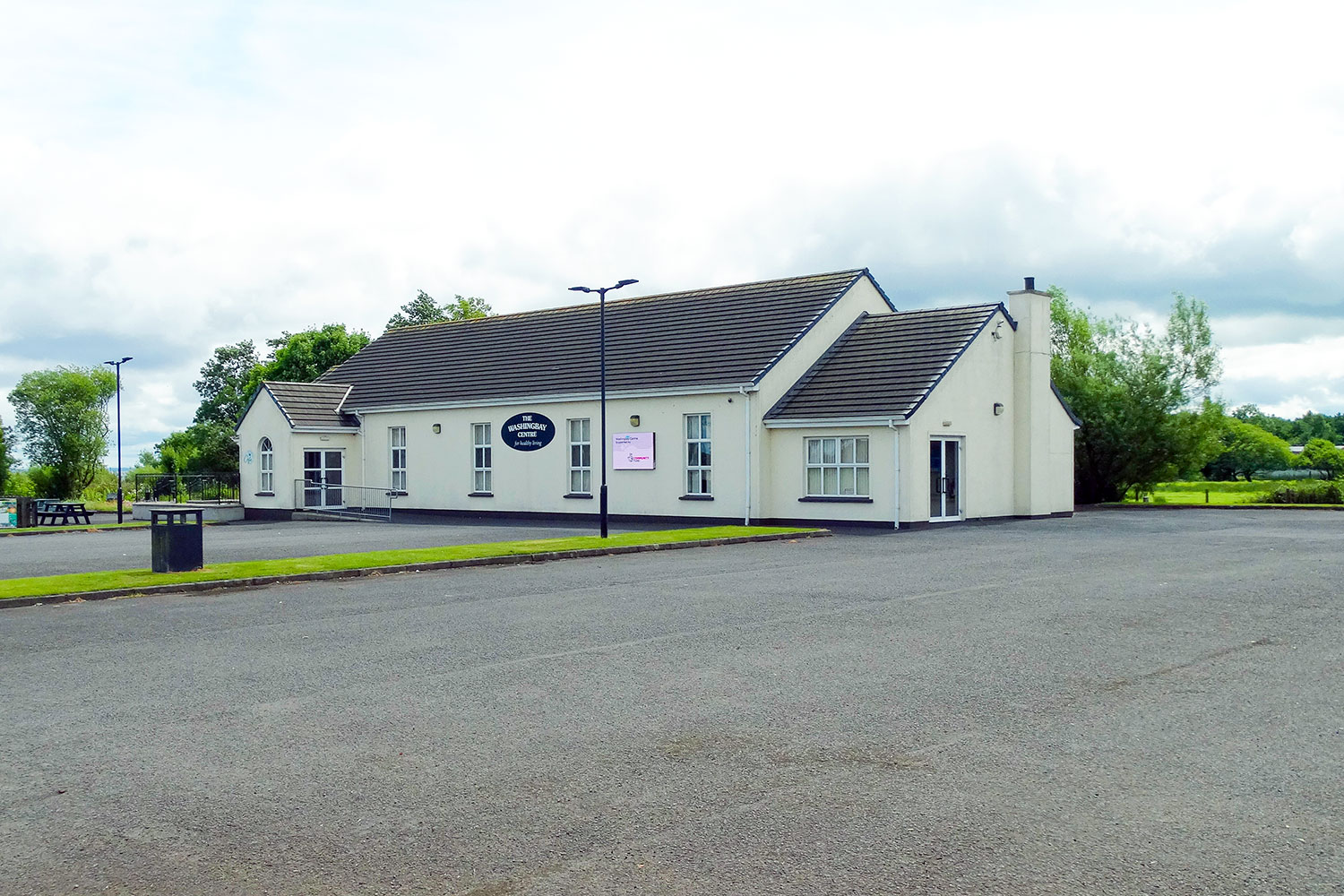
WASHINGBAY CENTRE
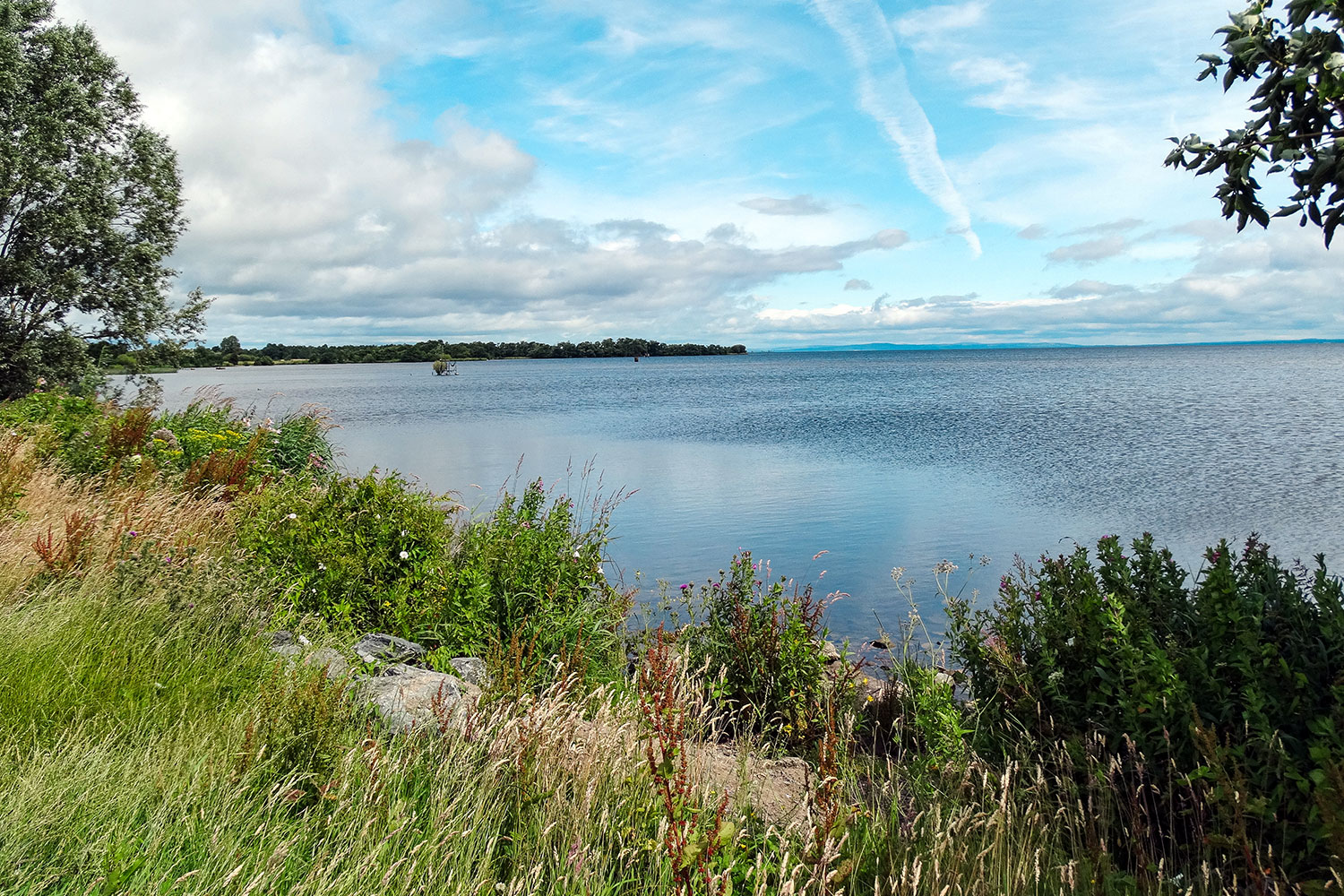
LOUGH NEAGH
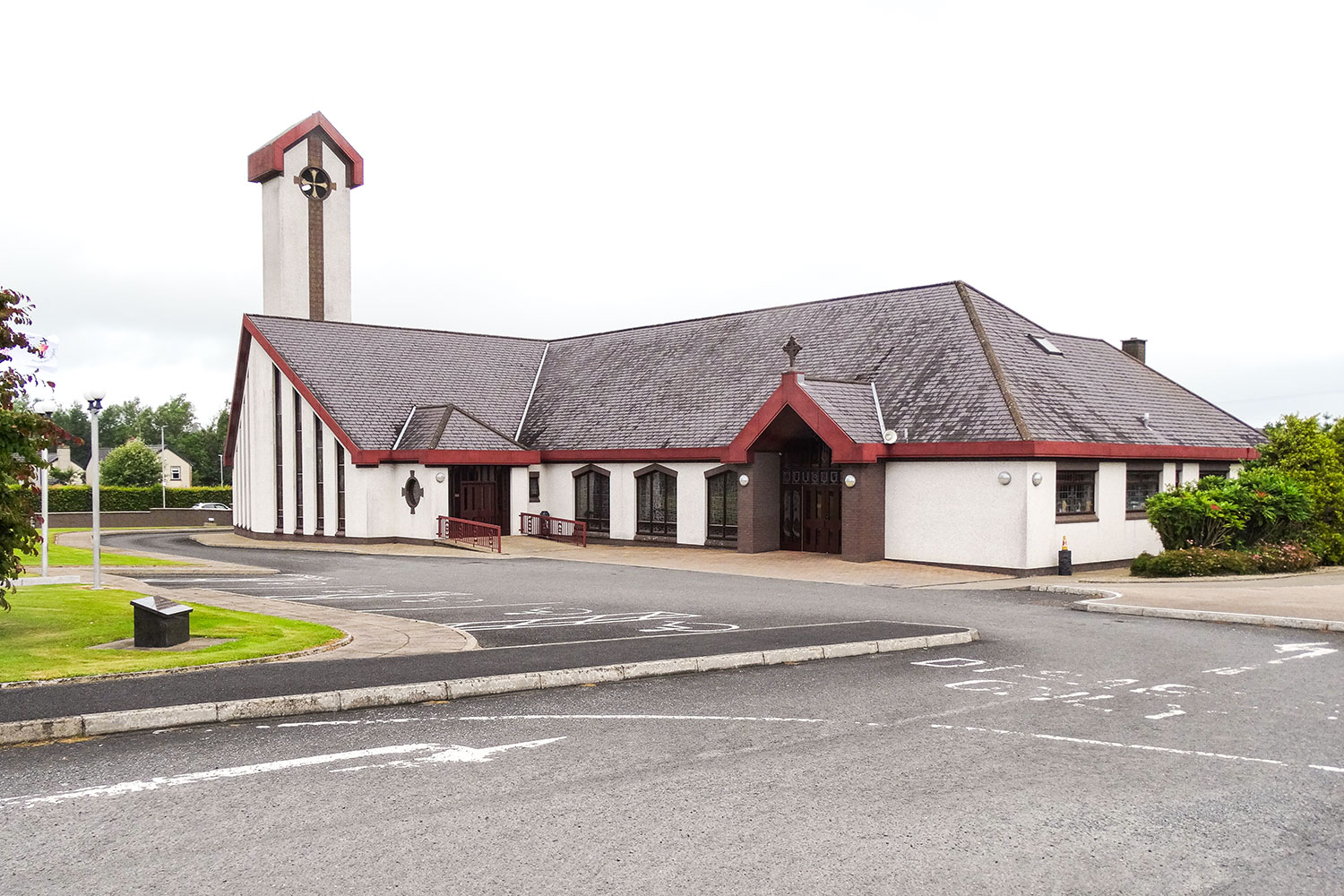
CLONOE CHAPEL
Creating Memories
PASSPORT & STAMPS
Walkers of the Coalisland Camino can enhance their journey with an official Camino Passport, perfect for collecting beautifully designed stamps at key points along the 26.4km route. Each stamp has been specially created by local artists, offering a unique memento of your experience and a connection to the places and people that shape this walk.
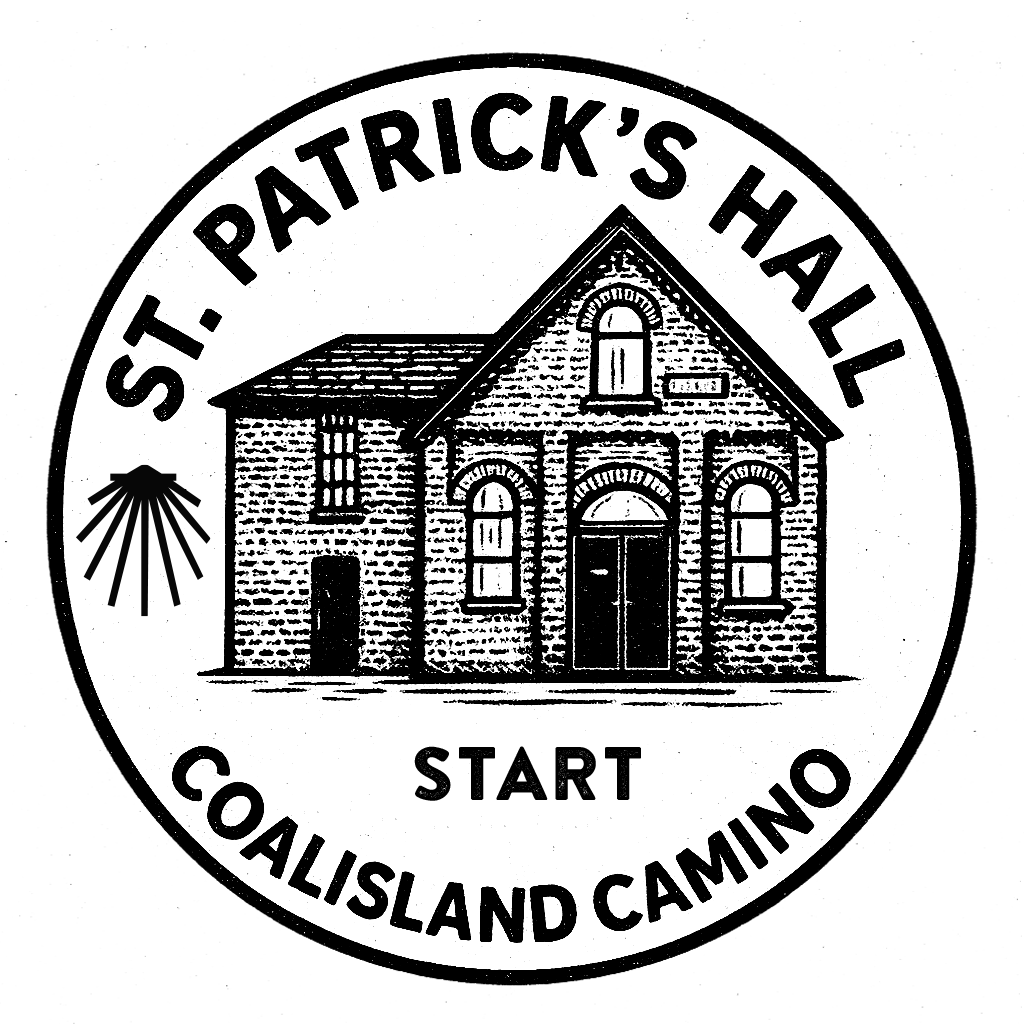
St. Patrick's Hall
Constructed in 1888, St. Patrick’s Hall has long served as a central hub for the political, cultural, and communal life of Coalisland, County Tyrone.
READ MORE
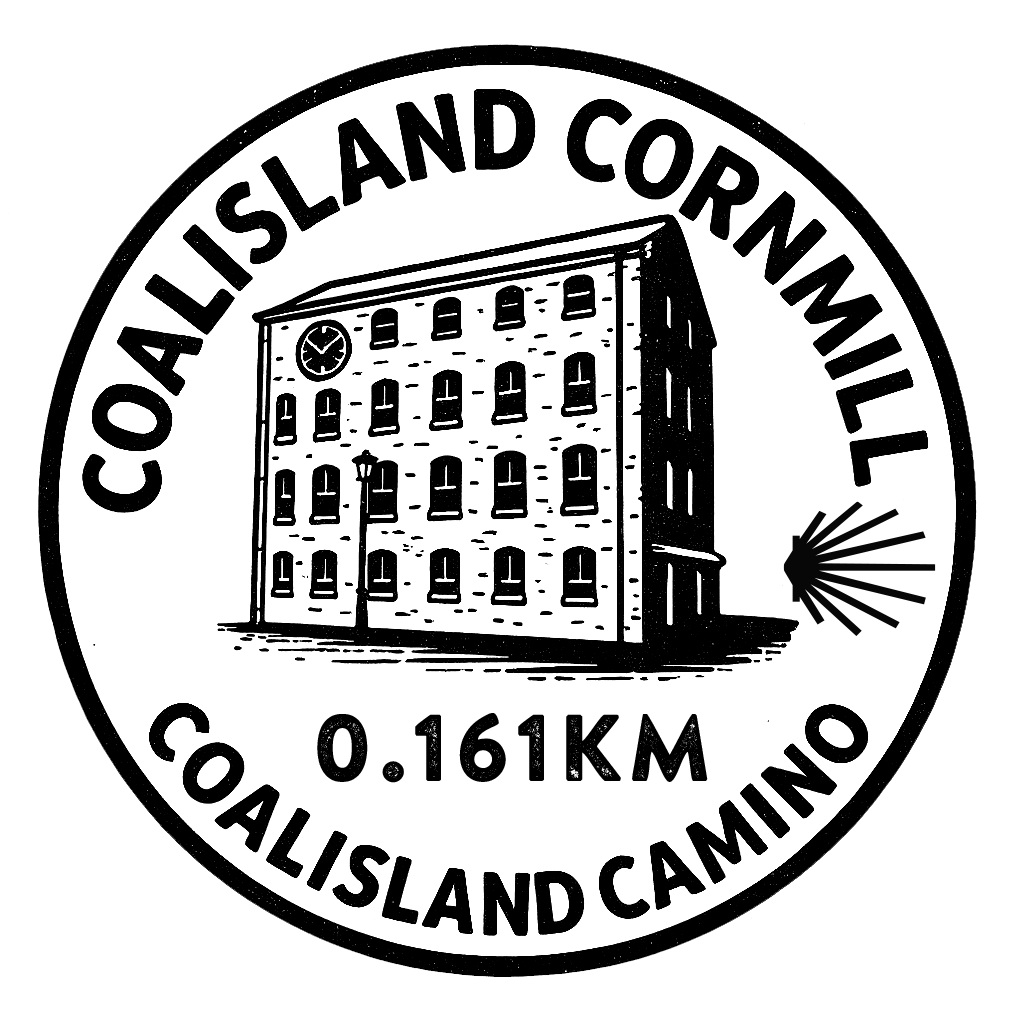
Coalisland Cornmill
The Coalisland Cornmill, also known as Stewart’s Mill, is a significant industrial and architectural landmark that has stood at the heart of Coalisland for over a century.
READ MORE
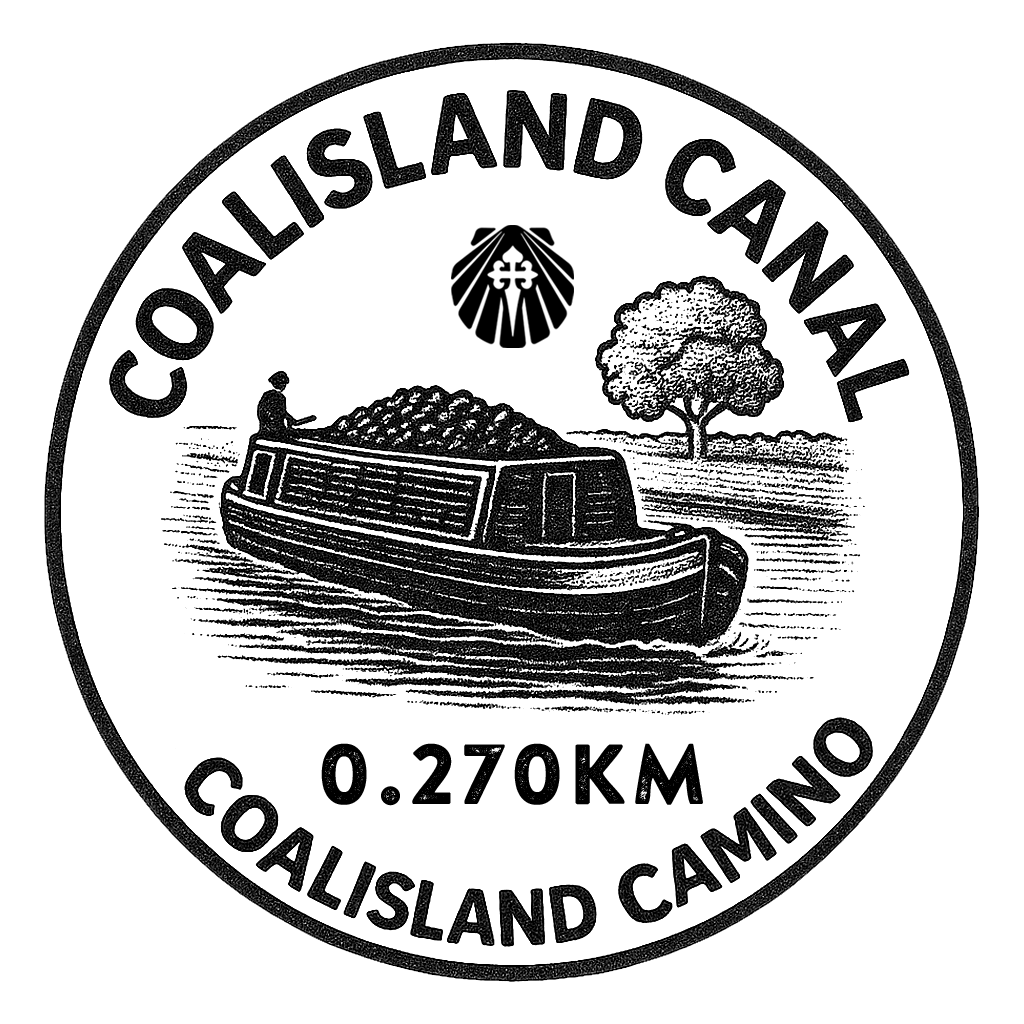
Coalisland Canal
The town of Coalisland developed around the terminus of the Coalisland Canal, which was originally intended to transport coal from the Tyrone coalfields to Dublin.
READ MORE
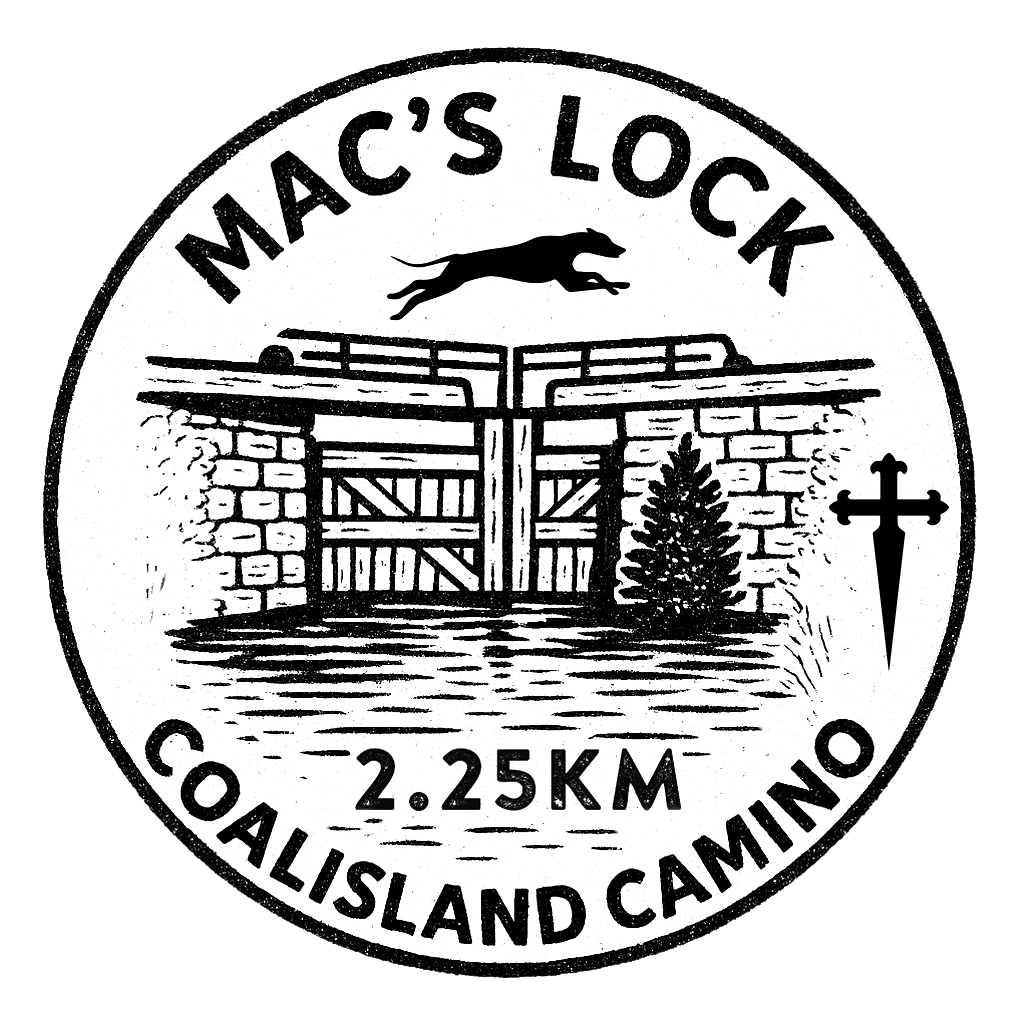
Mac's Lock
Mac’s Lock is one of the most iconic points along the Coalisland Canal.
READ MORE
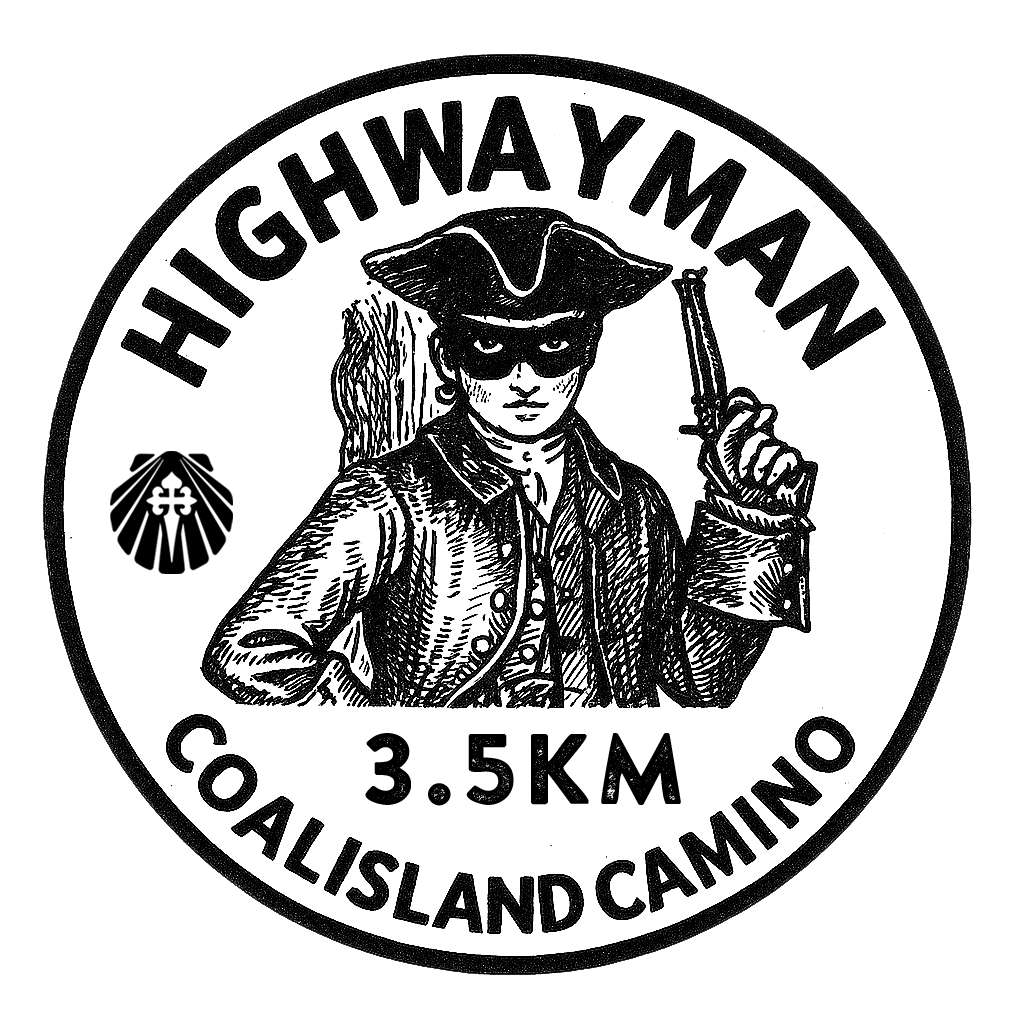
Highway Man
Local folklore recounts the exploits of a highwayman named Reilly, who operated along this route, now part of our Camino.
READ MORE
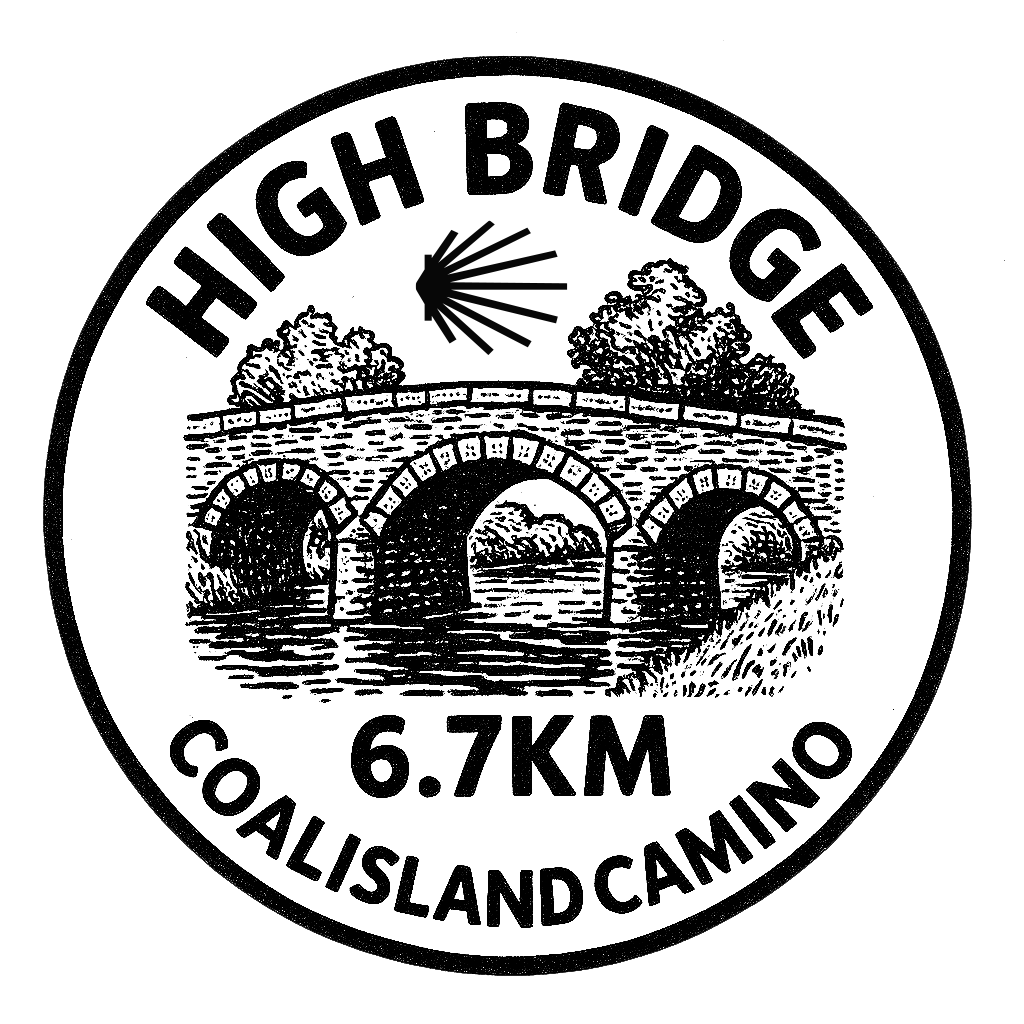
High Bridge
The old High Bridge has long since been replaced by a much flatter crossing than the old historic bridge over the canal.
READ MORE
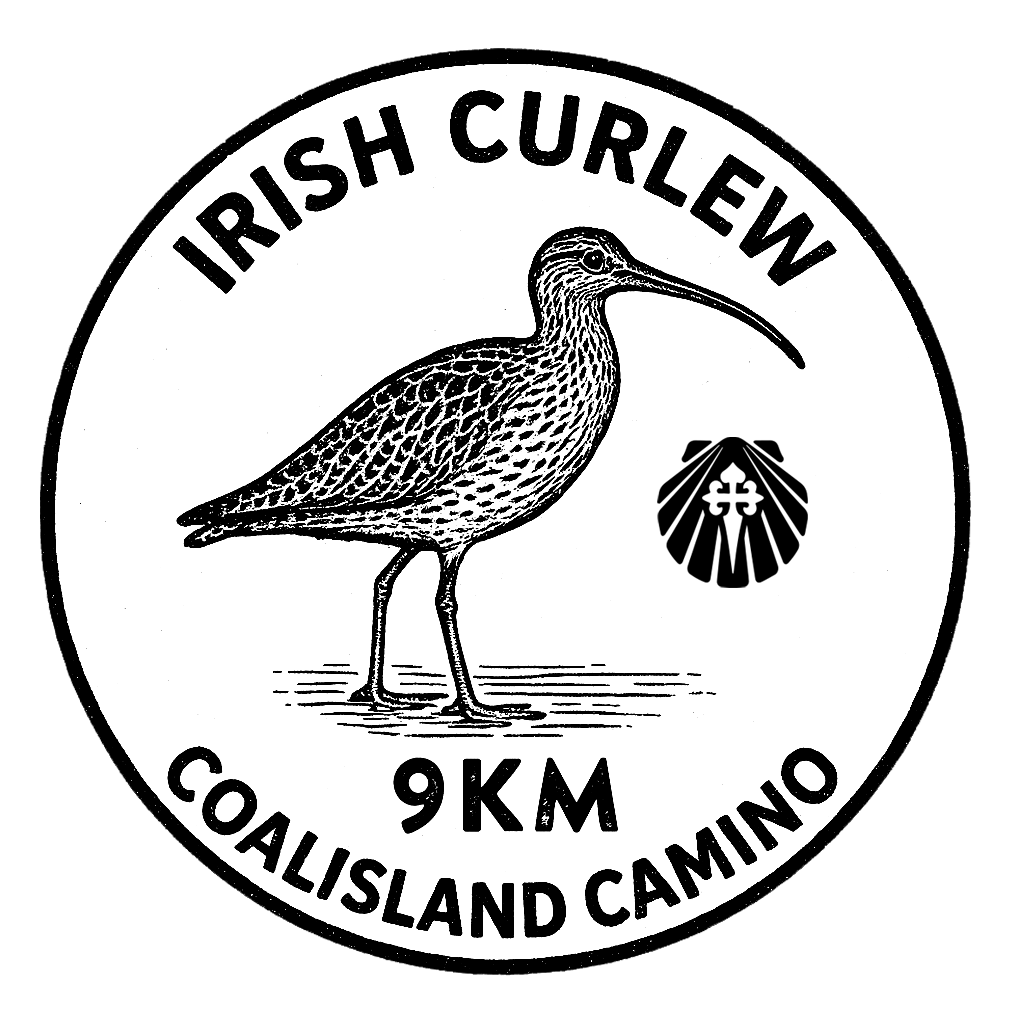
Irish Curlew
Have you ever heard the eerie, whistling call of the curlew across a quiet bog or meadow? If not, you might never get the chance.
READ MORE
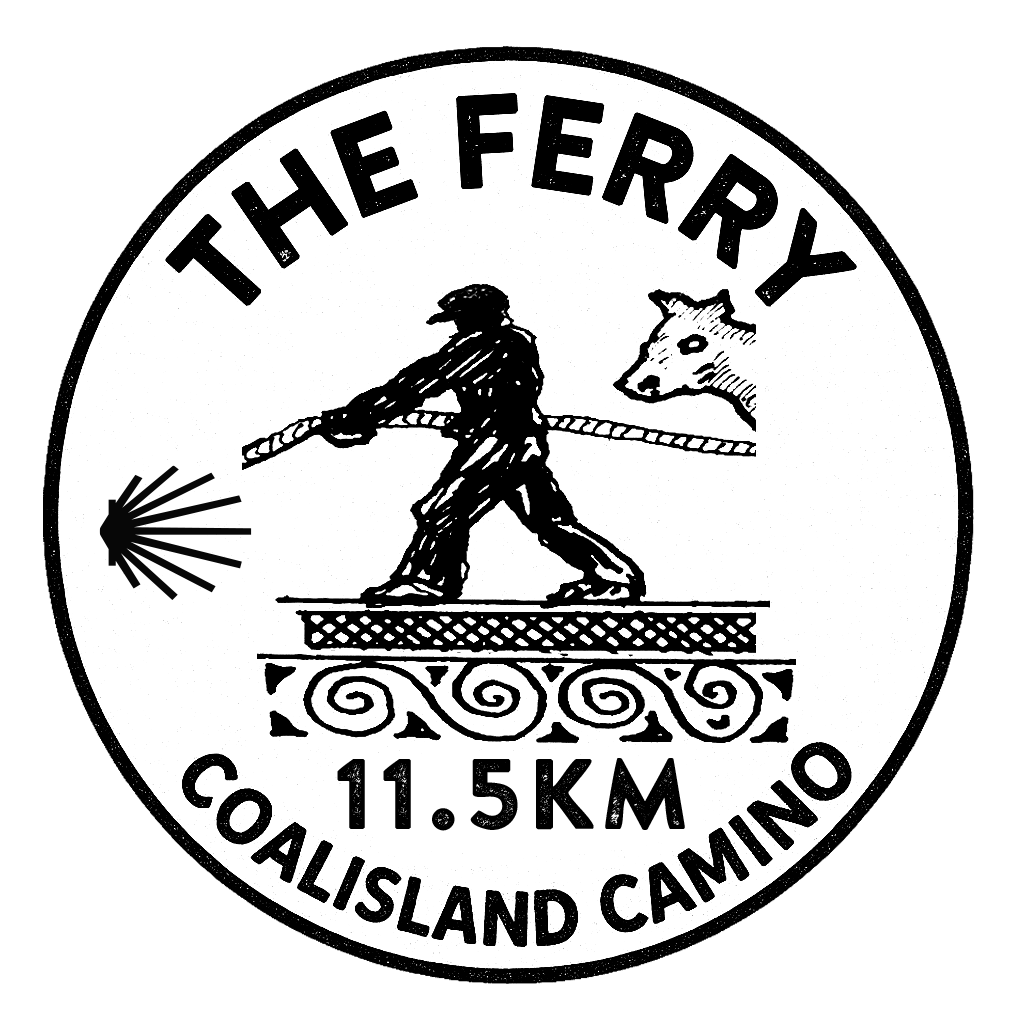
Maghery Ferry
Maghery was once a key point of transit and trade between Armagh and the south Tyrone area. An ancient road known as St. Patrick’s Trail is said to have passed through the area.
READ MORE
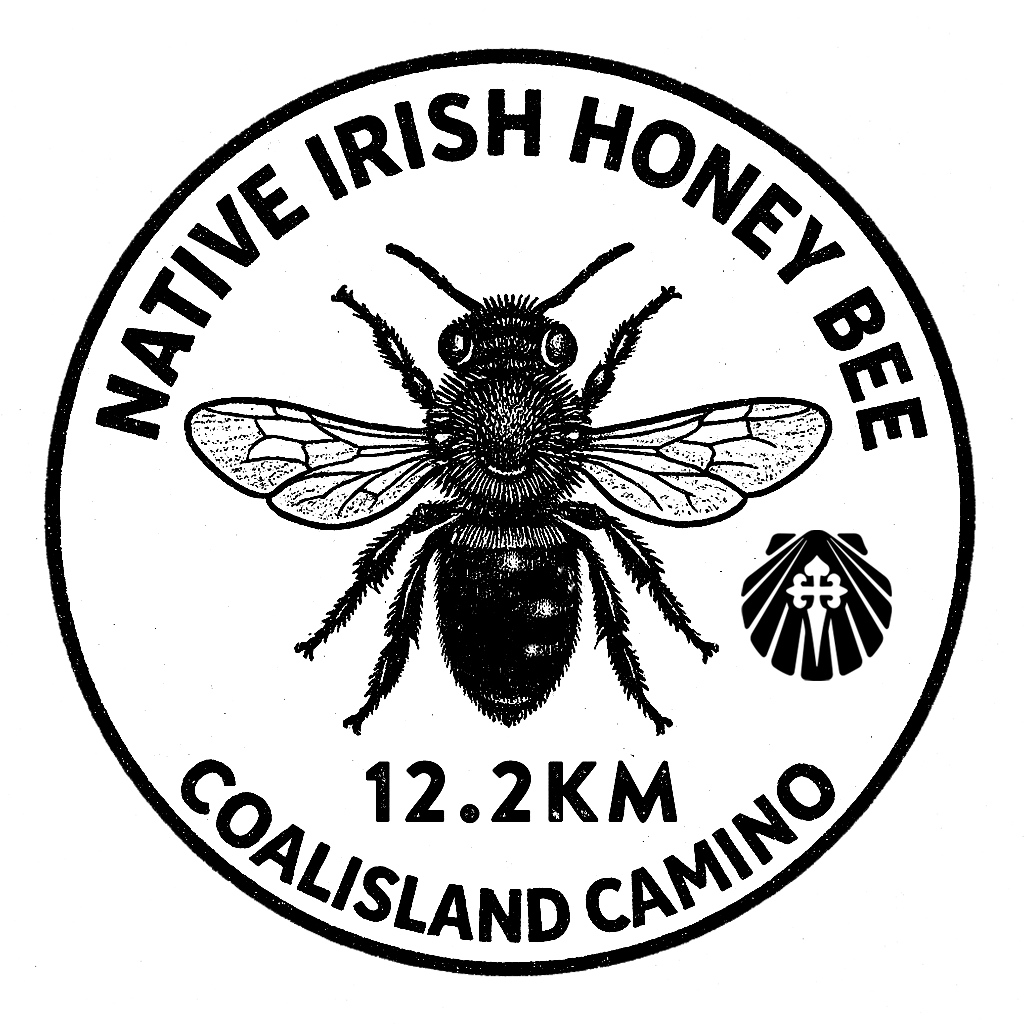
Native Irish Honeybee
Did you know Ireland has its very own native honeybee? The Native Irish Honeybee is a special type of dark honeybee that has lived in Ireland for thousands of years.
READ MORE
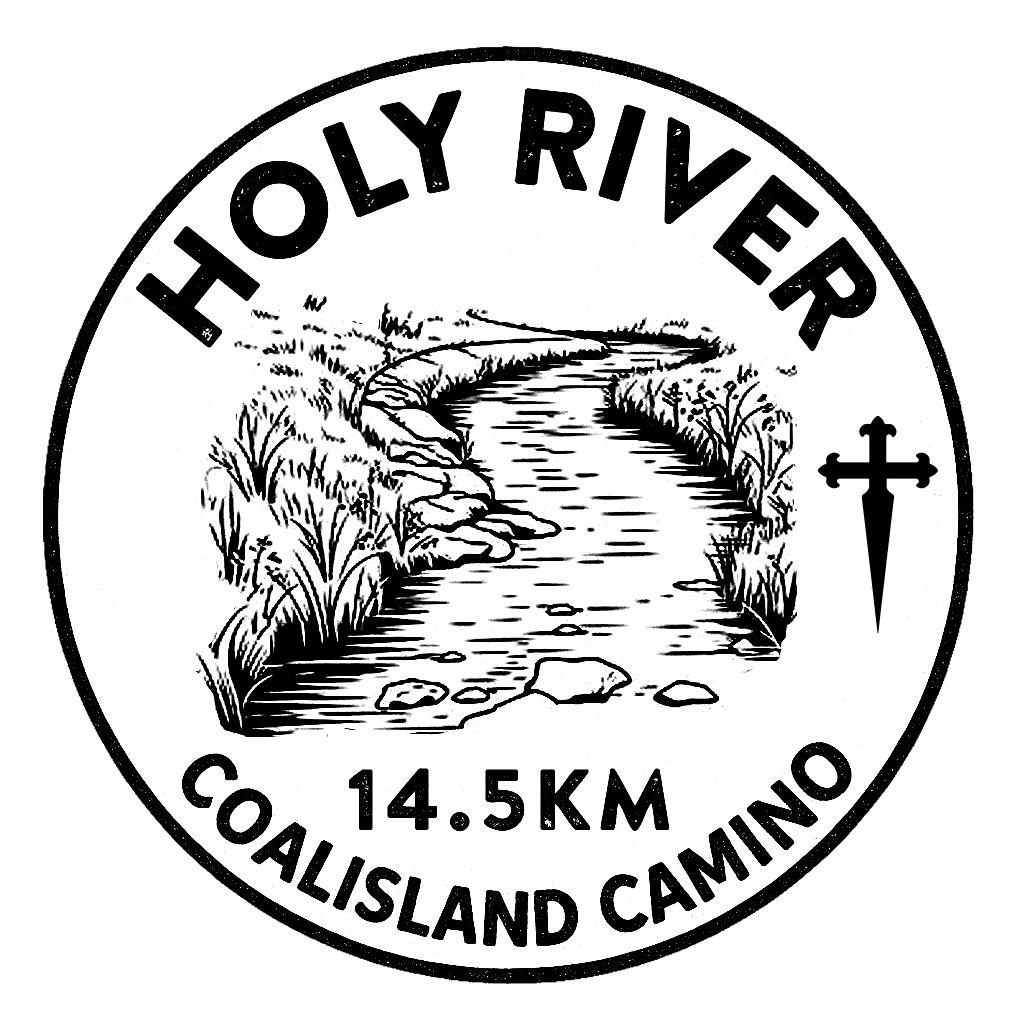
Holy River
Two fairs were held annually at Washingbay: on the Sundays immediately before and after Midsummer, the latter being called ‘Big Sunday.’ These events coincided with the Feast of St. John and included bathing in the Holy River.
READ MORE
Washingbay Centre
The Washingbay Centre is owned and operated by Muintir na Mointeach – people of the boglands, a community-led development organisation based on the southwest shores of Lough Neagh, County Tyrone.
READ MORE
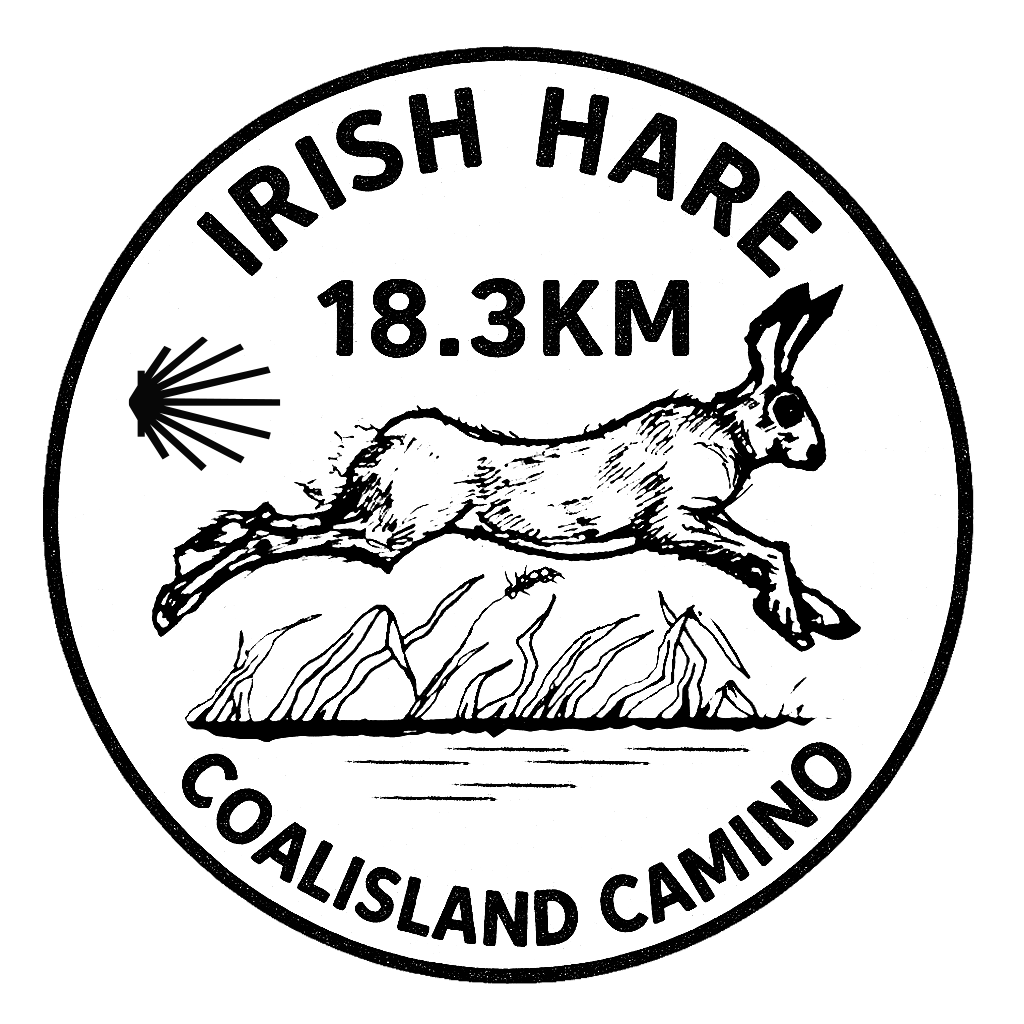
Irish Hare
The Irish hare is one of the oldest and most unique animals in Ireland, and it’s found nowhere else in the world!
READ MORE
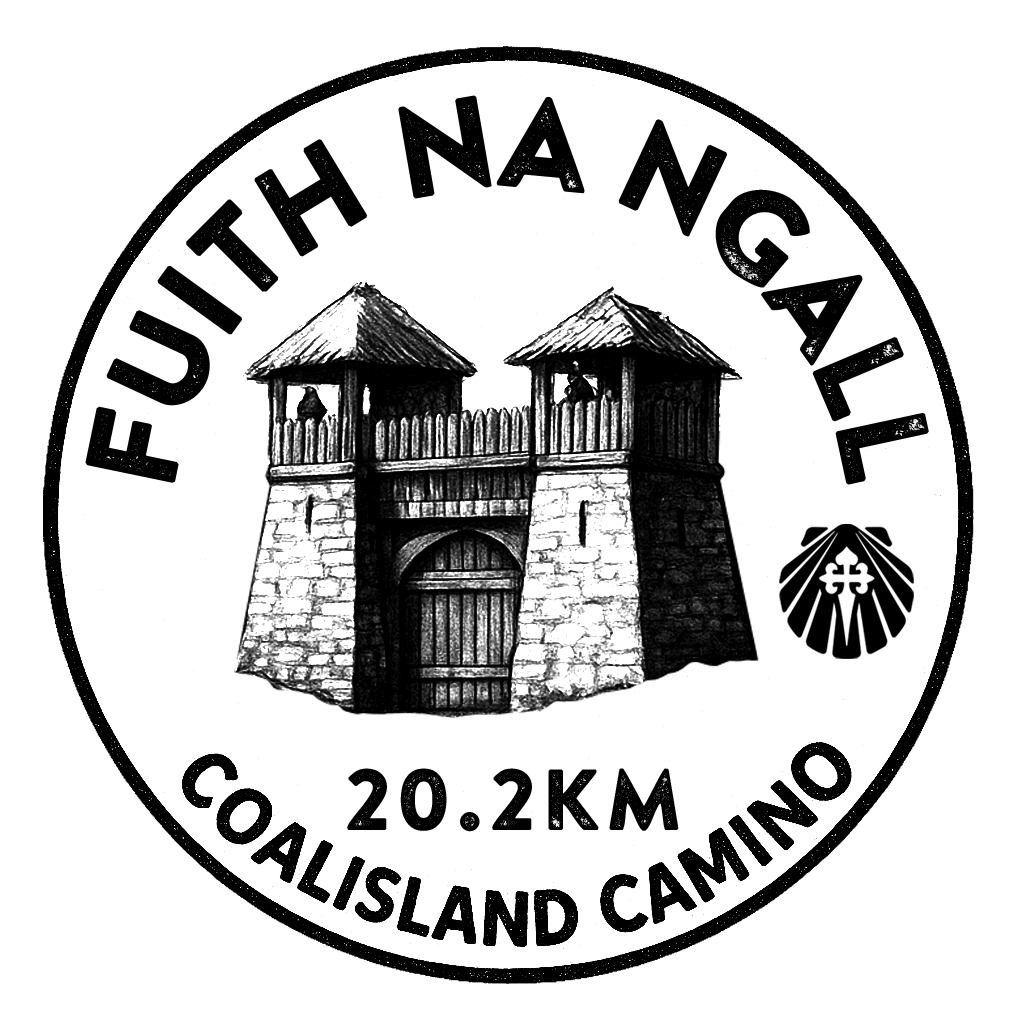
Fuith na Gall
Fuith na nGall, meaning “Abomination of the Stranger,” was a strategically significant fortress constructed by the Earl of Tyrone on the shores of Lough Neagh during the mid to late 16th century.
READ MORE
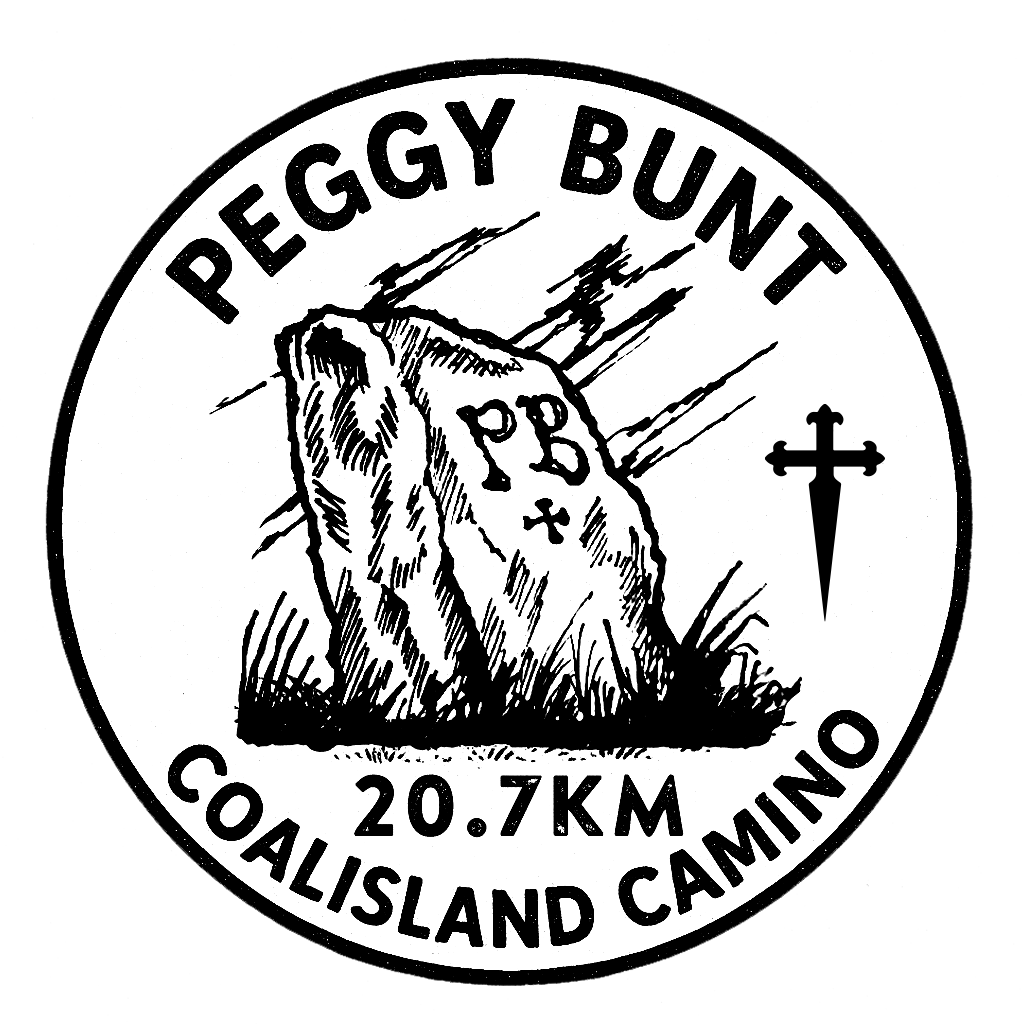
Peggy Bunt’s Grave
Local folklore tells the haunting story of a young woman known as Peggy Bunt and her fateful demise.
READ MORE
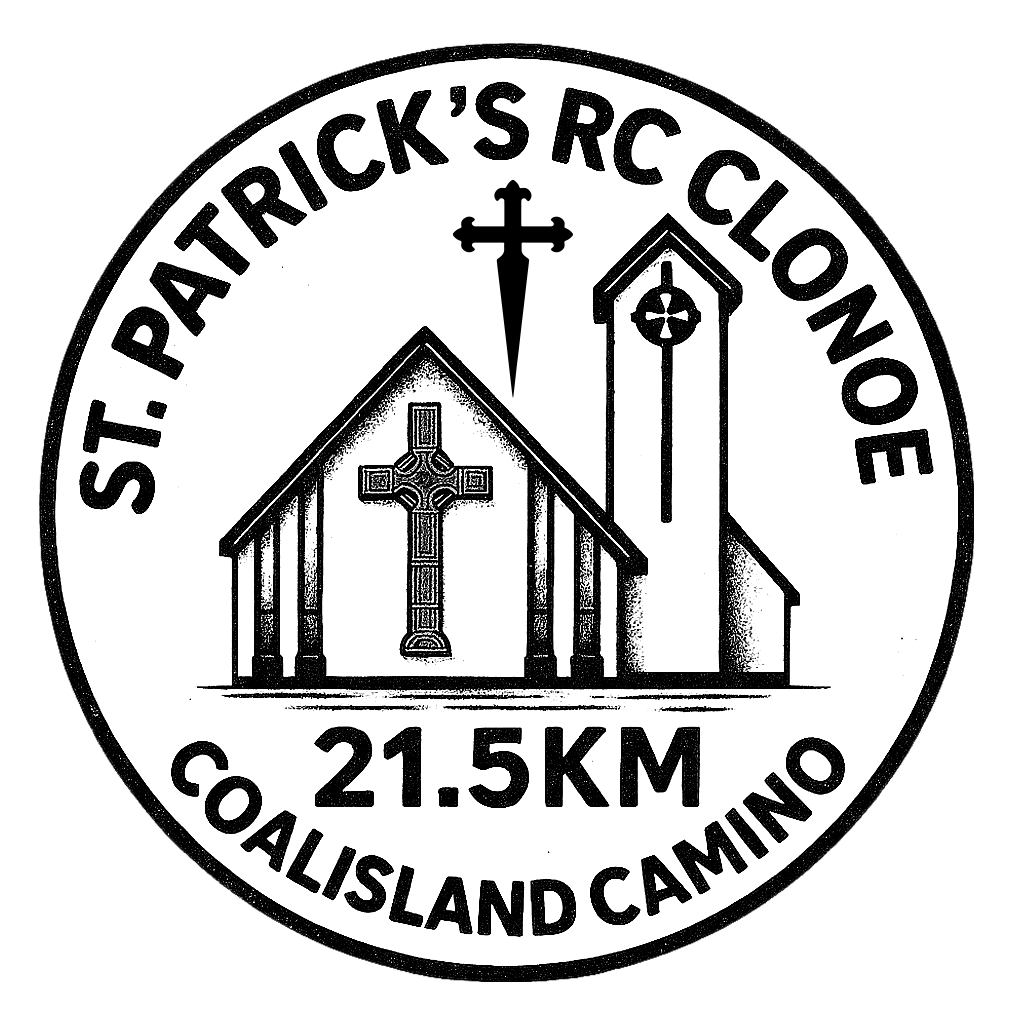
Clonoe RC Chapel
St. Patrick’s Church in Clonoe holds a deep historical and spiritual significance for the local community, serving as both a place of worship and a witness to pivotal moments in Irish history.
READ MORE
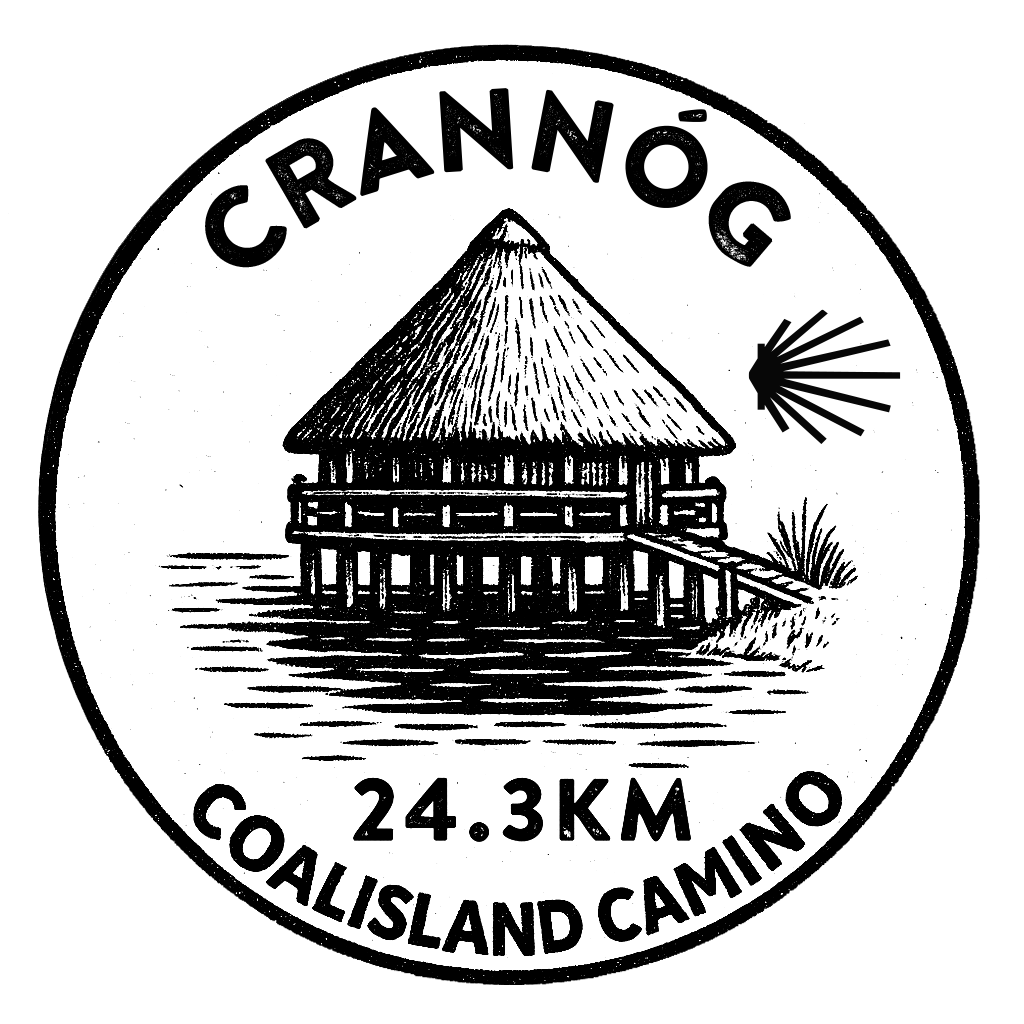
Irish Crannóg
An Irish crannóg is a man-made island dwelling, built in lakes or rivers for protection, dating back to ancient times, and East Tyrone has many examples.
READ MORE
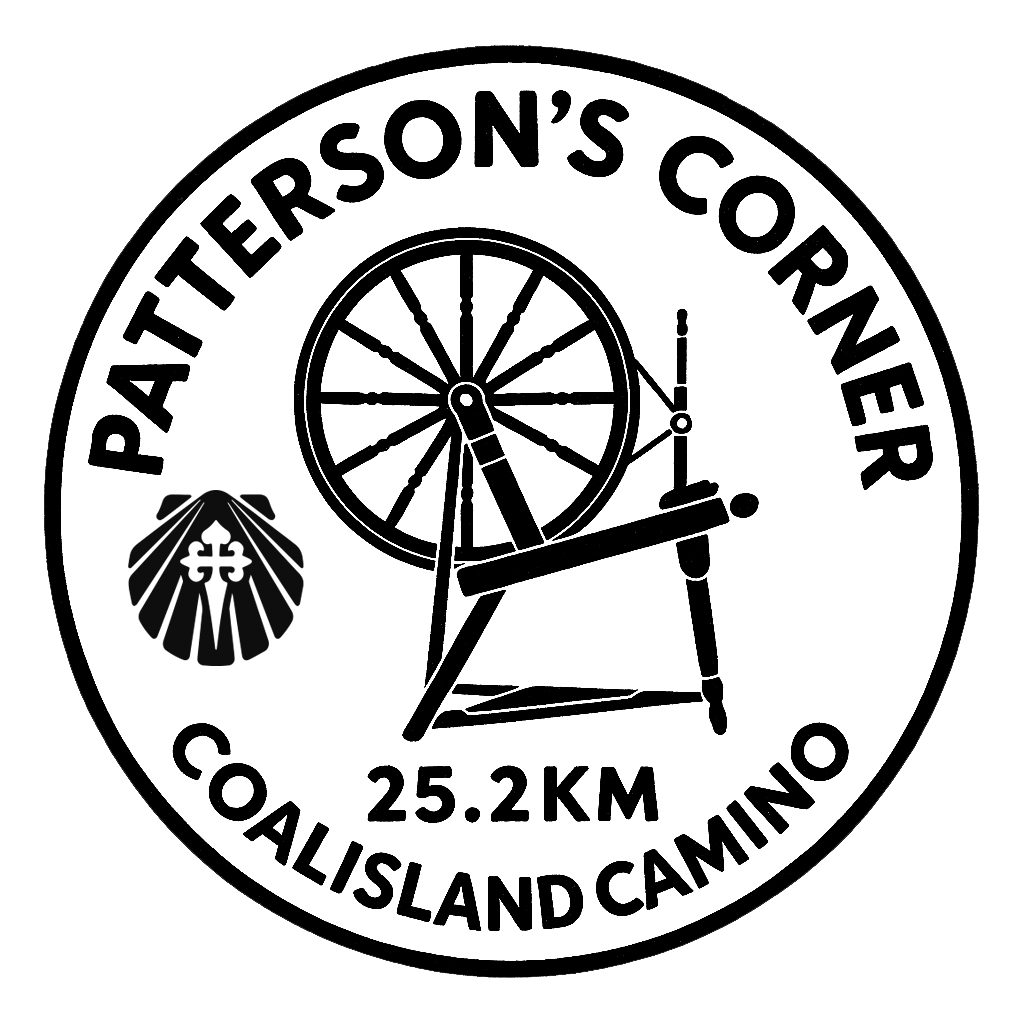
Patterson's Corner
Now the home of the Four Corners Bar in Brackaville, this iconic location in Coalisland’s industrial history could tell many stories.
READ MORE
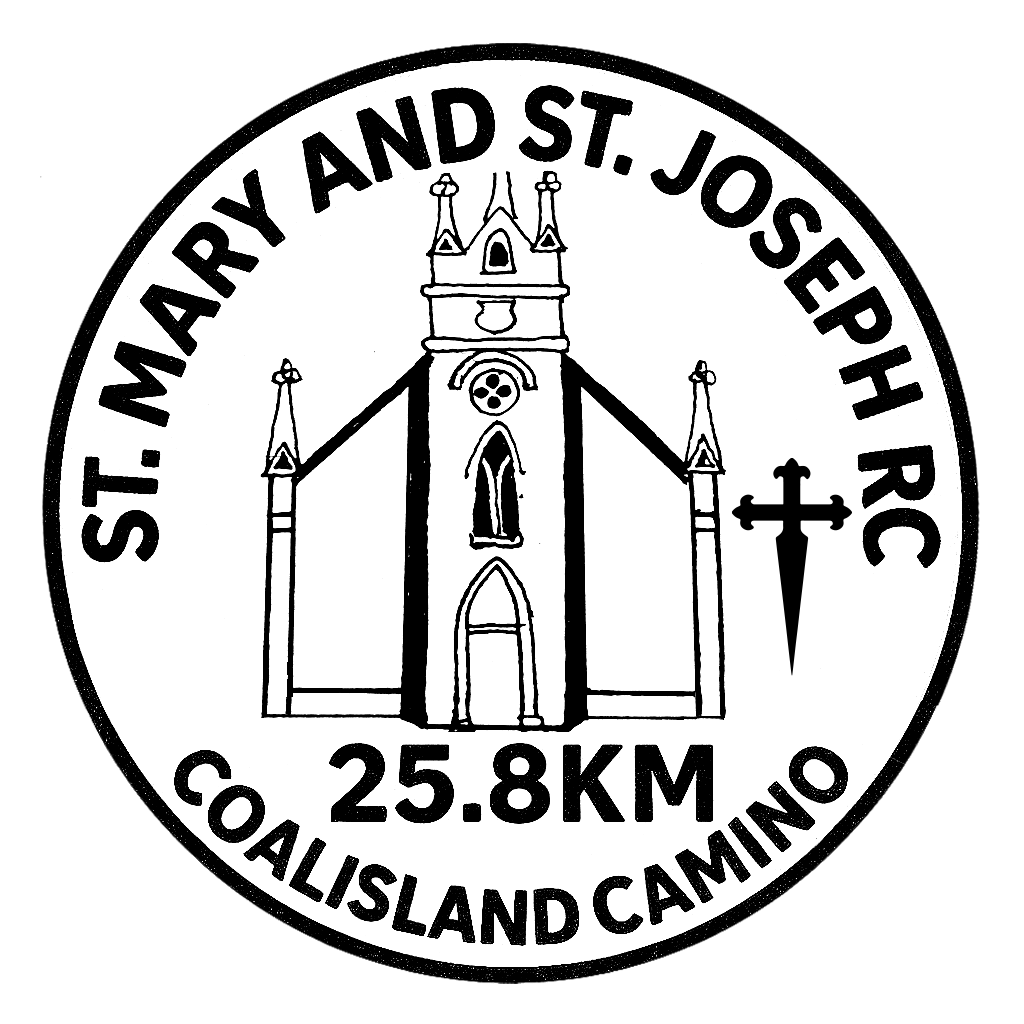
St Mary & St Joseph RC Church
St. Mary & St. Joseph’s Church stands as a central landmark in Coalisland’s religious and cultural life. Located in the parish of Ballyclog and Donaghenry, now officially known as Coalisland parish.
READ MORE
Let’s get walking
REGISTRATION
There are no shops along the route. Please bring your water and food.
Official Coalisland Camino Days:
We will provide free water along the route, and participants will be informed of the locations before their departure.
There will be several Portaloos along the route, and participants will be informed of these locations before their departure.
The Washingbay Centre (on route – 15 km) will be open 10 am – 3 pm on our Official Camino Walk days, and warm food and refreshments will be provided FREE as part of your registration.
There will be ample seating and toilet facilities available, and it is a welcome resting point for pilgrims. There is a Vivo shop and a Public house, both less than 1 km away, at 6 Reenaderry Rd, Coalisland BT71 5DT.
Walking the Coalisland Camino on your own time:
Our unique Coalisland Passport can be purchased, and we will provide details for the stamp locations before your Camino (see Personal Camino booking link).
The Camino is set in a very rural location. Public Services are very limited. We suggest you ensure you have adequate supplies before departing.
Herrons Shop, Barrack Street, Coalisland, BT71 4LS is just beside the Camino start.
Newell Stores, 11 Lineside, Coalisland, BT71 4LP, is 300m into your Camino, at the start of the Canal pathway. Toilet available.
Springisland Supermarket, 2 Washing Bay Rd, Coalisland, BT71 4ND is 350m into your Camino, opposite the start of the Canal pathway. Toilet available.
SPAR Clonoe, 52a Moor Rd, Coalisland, BT71 4QB, is less than 1km away from the Moor Road crossing. Toilet available.
The Washingbay Centre (on route – 15 km) has limited opening hours, and you should check these times before you commence your walk. Warm food and refreshments can be purchased, and toilet facilities are available, and it is a welcome resting point for pilgrims. www.washingbay.org
Vivo shop and a Public house, both less than 1 km from Washingbay Centre (not on route), at 6 Reenaderry Rd, Coalisland BT71 5DT. Toilet available.
St. Patrick’s RC Church, on the route at 21.5km, has toilet facilities. Limited opening.
Four Corners Bar (Pattersons Corner stamp) on the route has toilet facilities.
Please ensure you have informed someone of your Camino walk, and agree on a time for checking in, for your safety.
Please remember that you should leave no trace – please do not discard any litter.
Peggy Bunt
Local folklore tells the haunting story of a young woman known as Peggy Bunt. Her real name was reportedly Margaret Jane White, and she worked as a housemaid for a gentry family in the townland of Magheramulkenny. As was sadly not uncommon at the time, the local…(Full information contained in our unique Coalisland Camino Passport)
Irish Hare
The Irish hare is one of the oldest and most unique animals in Ireland, and it’s found nowhere else in the world! This wild and speedy mammal has lived on the island for thousands of years, even before the last Ice Age. Unlike rabbits, which were brought to Ireland by humans, Irish hares…(Full information contained in our unique Coalisland Camino Passport)
Irish Curlew
Have you ever heard the eerie, whistling call of the curlew across a quiet bog or meadow? If not, you might never get the chance. The Irish curlew is one of Ireland’s most endangered birds, and it’s disappearing fast. The curlew is…(Full information contained in our unique Coalisland Camino Passport)
Native Irish Honeybee
Did you know Ireland has its very own native honeybee? The Native Irish Honeybee (Apis mellifera mellifera) is a special type of dark honeybee that has lived in Ireland for thousands of years. It’s perfectly adapted to…(Full information contained in our unique Coalisland Camino Passport)
Crieve Lough Crannog, Stewartstown
Crieve Lough, near Stewartstown in County Tyrone, is a landscape steeped in layered history, revealing traces of settlement from the Bronze Age through the early modern period. Along its shores…(Full information contained in our unique Coalisland Camino Passport)
Mac’s Lock: Where Industry Meets Local Legend
Mac’s Lock is one of the most iconic points along the Coalisland Canal, also known historically as the Tyrone Navigation. Built in the 18th century, the canal was designed to carry coal from the Coalisland coalfields to Belfast & Dublin, connecting the heart of rural Tyrone with the expanding industrial centres of…(Full information contained in our unique Coalisland Camino Passport)
Patterson’s Corner: The Roan Mill Lockout of 1917
In 1917, a major labour dispute erupted at Roan Spinning Mills, Coalisland, threatening the future of one of the area’s most important employers. Though the mill was increasingly profitable, wages remained low, well below industry standards, and relations between…(Full information contained in our unique Coalisland Camino Passport)
St. Mary & St. Joseph’s Roman Catholic Church, Coalisland
St. Mary & St. Joseph’s Church stands as a central landmark in Coalisland’s religious and cultural life. Located in the parish of Ballyclog and Donaghenry, now officially known as Coalisland parish, this church has served generations of worshippers and reflects centuries of Christian heritage in East Tyrone…(Full information contained in our unique Coalisland Camino Passport)
Maghery Ferry
Maghery (from the Irish an Machaire, meaning “the plain”) is a small village and townland located on the southwestern shore of Lough Neagh, near Derrywarragh Island in County Armagh. The name is a shortened form of Magherygreenan (Machaire Grianáin), reflecting its long and storied Gaelic heritage. Strategically positioned between…(Full information contained in our unique Coalisland Camino Passport)
The Rapparee / Highwayman:
The former residence of the McGrath family, situated atop Annaghmore Hill to the north, once served as a coach stop along what was historically referred to as the Dublin coach road. From this elevated location, the road descended toward a ford on the Torrent River, predating the construction of the canal, near the present-day residence of the…(Full information contained in our unique Coalisland Camino Passport)
St. Patrick’s RC Church, Clonoe
St. Patrick’s Church in Clonoe holds a deep historical and spiritual significance for the local community, serving as both a place of worship and a witness to pivotal moments in Irish history. The original St. Patrick’s Church was built around 1780, standing for over 200 years in the graveyard opposite the current church site. A symbol of enduring faith, it withstood considerable trials…(Full information contained in our unique Coalisland Camino Passport)
The High Bridge
The old High Bridge has long since been replaced by a much more flat crossing. “Civil” Jack O’Neill lived beside the High Bridge and it is said he earned his nickname by coming to the aid of drivers who had trouble getting their horse and carts over the height of the bridge…(Full information contained in our unique Coalisland Camino Passport)
Coalisland Cornmill
The Coalisland Cornmill, also known as Stewart’s Mill, is a significant industrial and architectural landmark that has stood at the heart of Coalisland for over a century. Constructed in 1911 within the Canal Basin and operated by the Lagan Navigation Company, the mill marked a major expansion for Robert Stewart and Sons, who had previously operated…(Full information contained in our unique Coalisland Camino Passport)
Coalisland and its Canal
Coal mining in East Tyrone was first reported in 1654. Coalisland emerged as a result of the Industrial Revolution in Ireland. It had potteries, brickworks, textile mills, weaving factories, and coal mines.
The town of Coalisland developed around the terminus of the Coalisland Canal, which was originally intended to transport coal from the Tyrone coalfields to Dublin. Without the coal mines, the town of Coalisland would not exist.
The town takes its name from…(Full information contained in our unique Coalisland Camino Passport)
Fuith na nGall Fort
Fuith na nGall, meaning “Abomination of the Stranger,” was a strategically significant fortress constructed by the Earl of Tyrone on the shores of Lough Neagh during the mid to late 16th century (c. 1553–1585).
Believed to have been positioned atop Cloghog Hill, the fort offered a commanding view over Lough Neagh, strategically located between the deep-water bays of …(Full information contained in our unique Coalisland Camino Passport)
St. Patrick’s Hall
Constructed in 1888, St. Patrick’s Hall has long served as a central hub for the political, cultural, and communal life of Coalisland, County Tyrone. The structure originally comprised a main hall, an underground cellar, and adjoining upper and lower rooms, facilitating a wide range of local activities.
In the early 20th century, the hall was…(Full information contained in our unique Coalisland Camino Passport)
St. Patrick’s Hall
St. Patrick’s Hall in Coalisland, occupies a unique place in the history of the Irish revolutionary period. In the days preceding the 1916 Easter Rising, it became the staging ground for what has been termed “the Ulster Rising that never was.”
Led by Dennis McCullough, President of the Irish Republican Brotherhood, a contingent of 156 Belfast Volunteers gathered in Coalisland, intending to join forces with the Tyrone Volunteers and proceed to…(Full information contained in our unique Coalisland Camino Passport)
The Holy River at Washingbay
The curative properties of the waters at Washingbay on Lough Neagh have been recognized since at least the seventeenth century. A significant early reference appears in a letter dated 12 February 1712, from Francis Nevil, Esquire, to the Lord Bishop of Clogher, recorded in the Ordnance Survey Memoirs of County Tyrone.
In the letter, Nevil recounts a case involving Mr. Cunningham’s son, who suffered from a severe affliction described as…(Full information contained in our unique Coalisland Camino Passport)
The Washingbay Centre
The Washingbay Centre is owned and operated by Muintir na Mointeach – people of the boglands, a community-led development organisation based on the southwest shores of Lough Neagh, County Tyrone.
Established in 2000, the group has been at the forefront of local development, environmental stewardship, and cultural preservation.
It manages the…(Full information contained in our unique Coalisland Camino Passport)